Japanese Culture
Japanese Aesthetics Glossary: 14 Terms Every Japan Lover Should Know
A clear, accurate glossary of 14 Japanese aesthetic terms — wabi-sabi, ikigai, ma, yūgen, mono no aware, kintsugi, and more — with the myths corrected.
Every guide on the site, most recently updated first. Looking for something in particular? Pick a topic.
A clear, accurate glossary of 14 Japanese aesthetic terms — wabi-sabi, ikigai, ma, yūgen, mono no aware, kintsugi, and more — with the myths corrected.
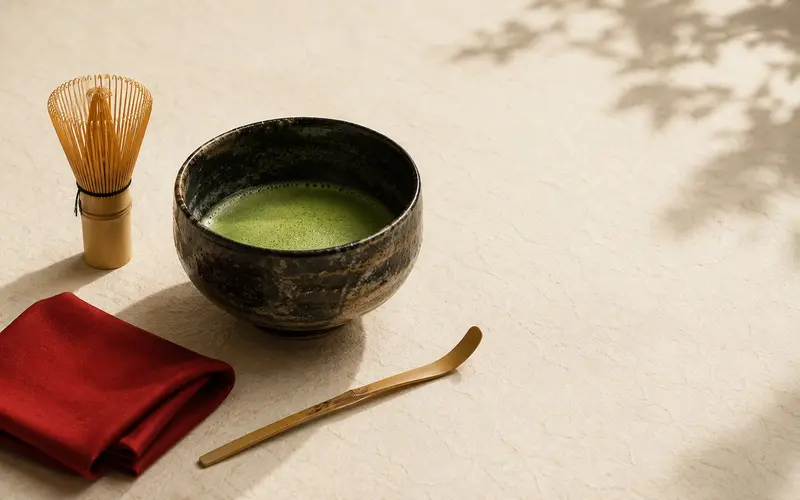
The Japanese tea ceremony (sadō) was never really about the tea. What chanoyu actually is: a discipline of hospitality, impermanence, and one unrepeatable meeting.
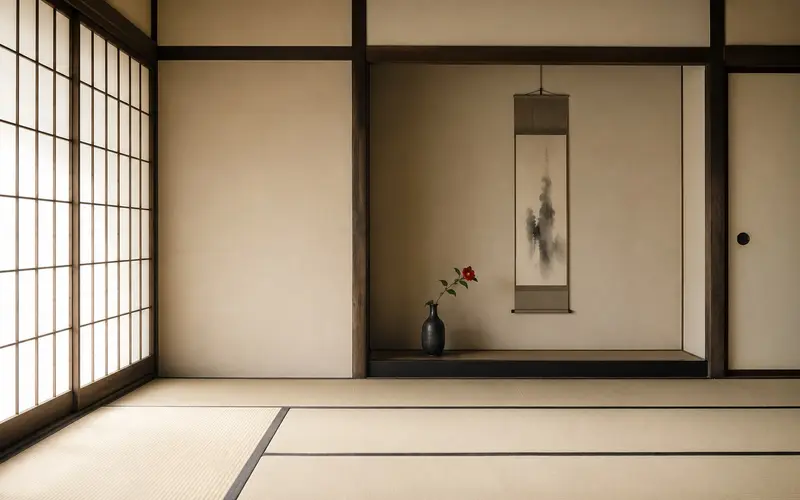
Ma (間) is Japan's meaningful emptiness in space AND time — not 'negative space' but the charged interval holding music, rooms, and the page together.
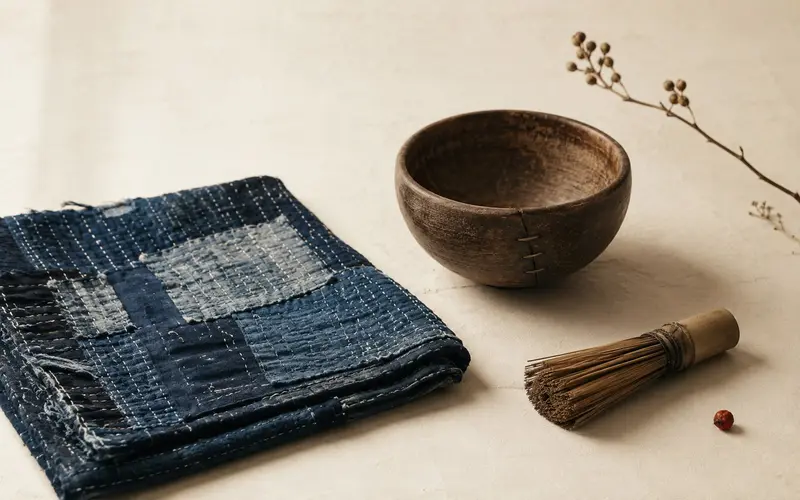
Mottainai is usually flattened to 'don't waste.' It really means the intrinsic worth of a thing is being lost — closer to grief than to thrift. Explained.
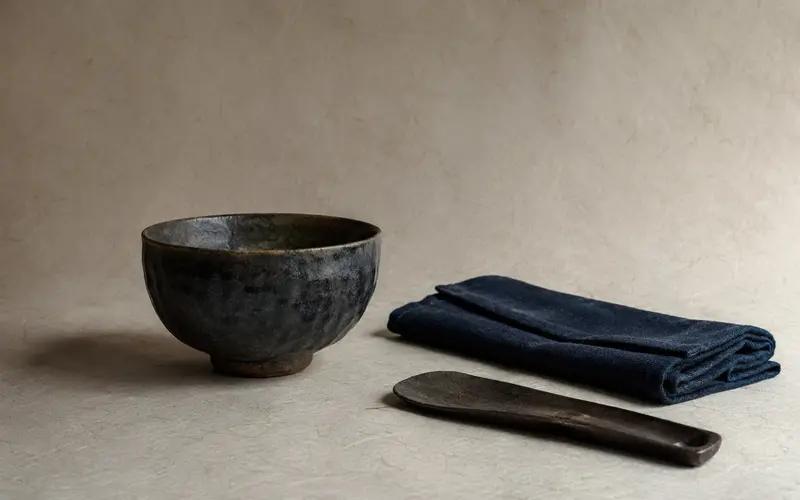
Shibui is Japan's understated, refined beauty — related to wabi-sabi but not the same thing. The difference, and why the word began as a sour taste.

Shinrin-yoku, 'forest bathing,' isn't ancient Zen — it's a 1982 Japanese idea that turned out to have real science behind it. What it is, and how to do it.
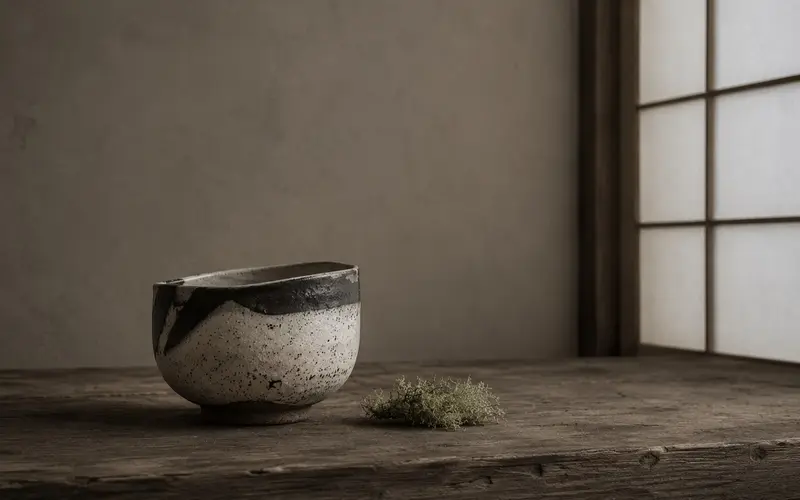
Wabi-sabi is Japan's aesthetic of imperfect, impermanent beauty — and the West mostly gets it wrong. What it really means, from tea room to brush.
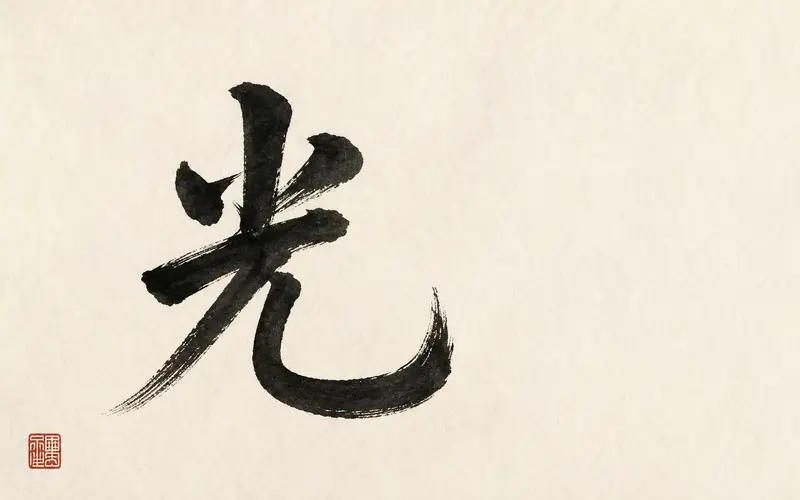
光 means light — a fire carried by a person, the hikari of moonlight and glory, and the name of Japan's Shining Prince. Its meaning and how to write it.
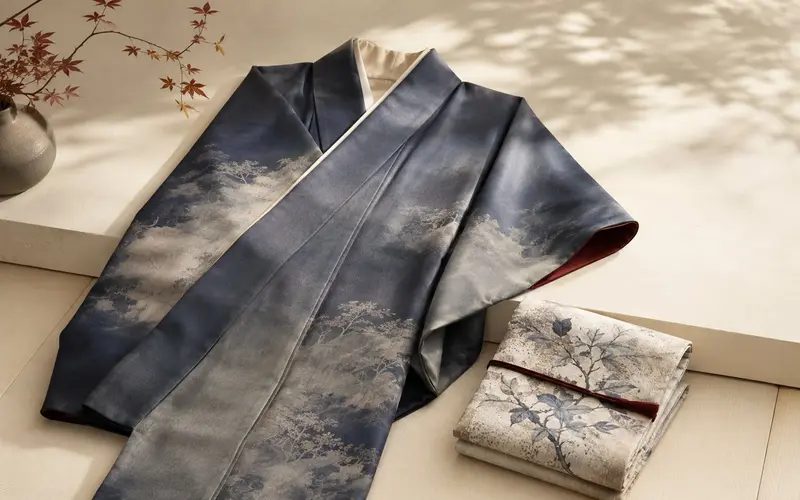
Kimono means, literally, 'a thing to wear' — a living garment with seasonal rules and one detail you must never get wrong. The real story, not the costume.
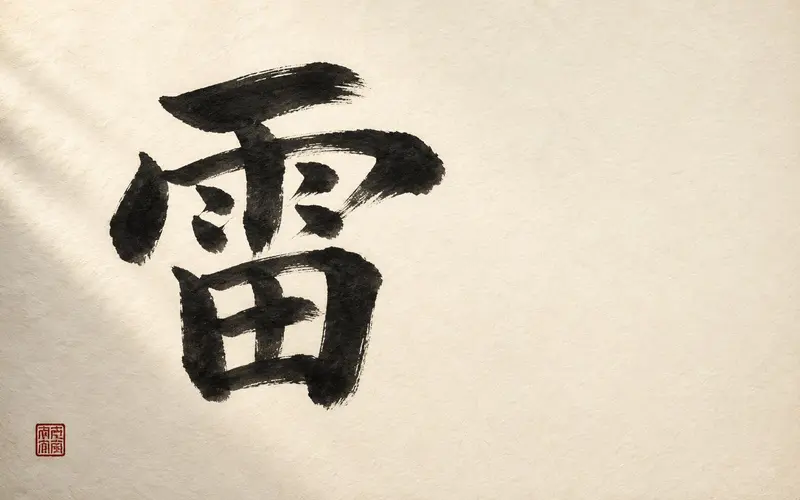
雷 means thunder: rain over a field, the drum-beating god Raijin, and a word that began as 'the cry of the gods.' Its meaning, readings, and writing.
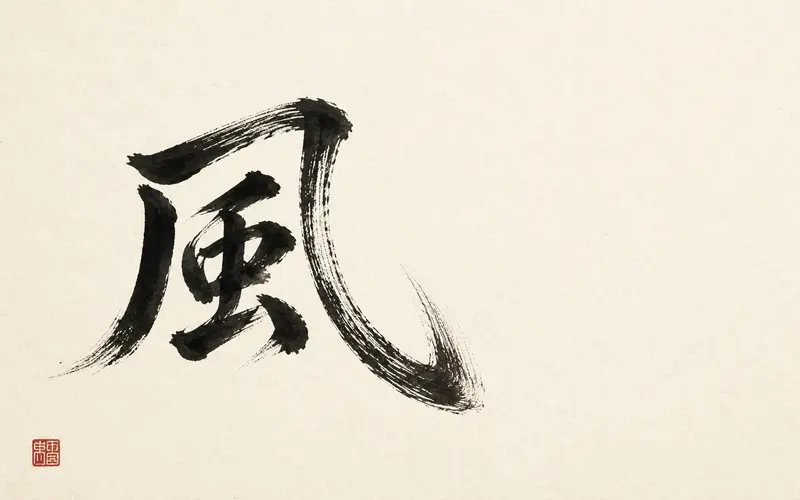
風 (kaze) means wind — and also style, manner, and atmosphere. The 'wind' of 風林火山: what it carries in Japanese, and how to write it with movement.
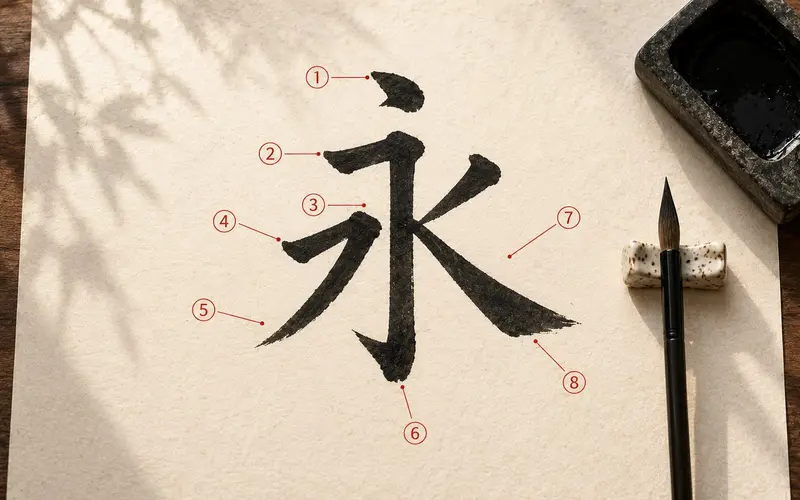
The kanji 永 (eternity) contains all eight basic brushstrokes of Japanese calligraphy. A practitioner explains the Eight Principles of Yong and how to use them.