Posts
All the articles I've posted.
-
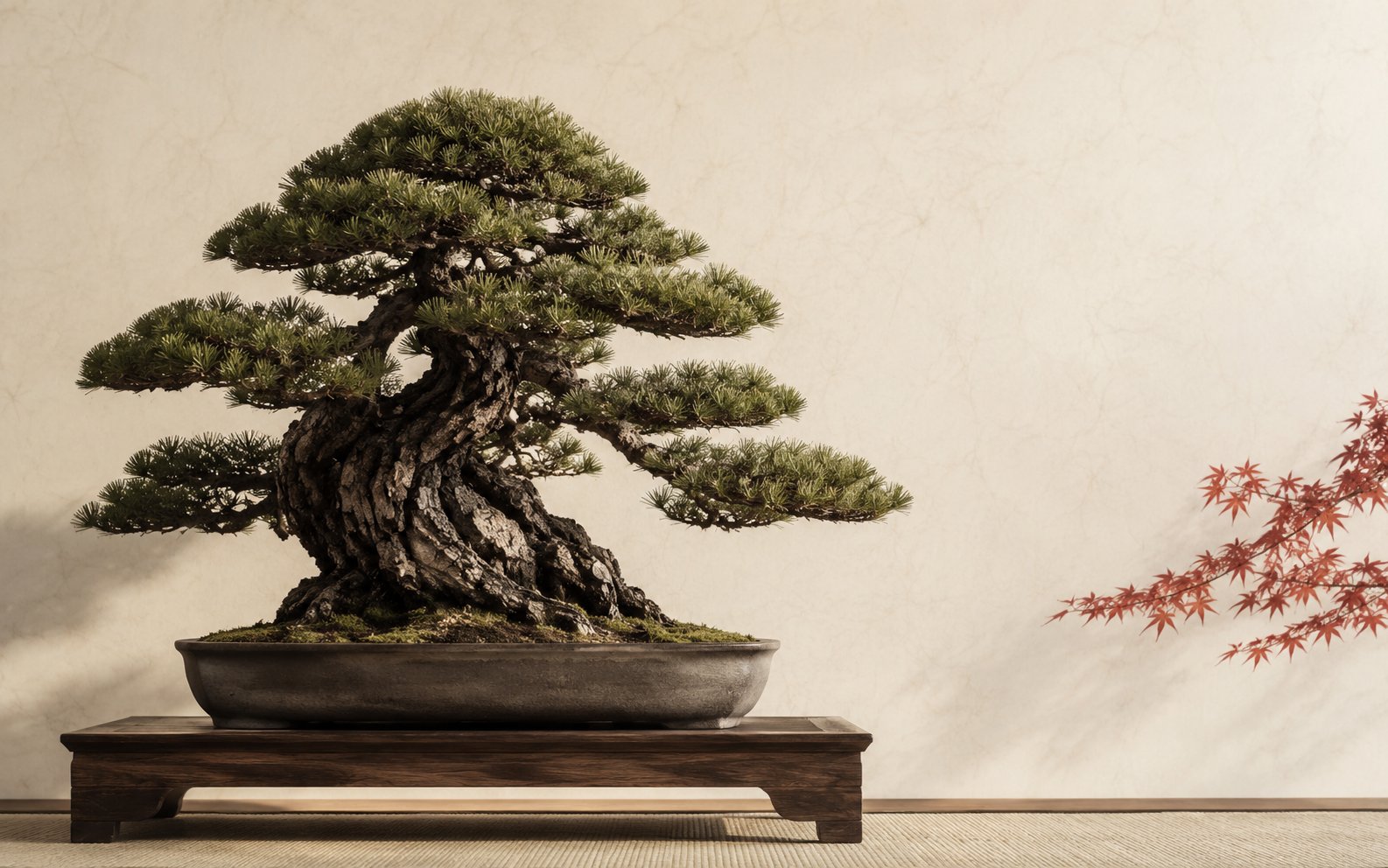
Bonsai (盆栽): The Kanji, the Scroll, and the Display
By K. YamaUpdated:Bonsai means 'tray planting.' What the two kanji say, how to brush them, and why a fine tree is traditionally shown in an alcove beside a hanging scroll.
Continue reading → -
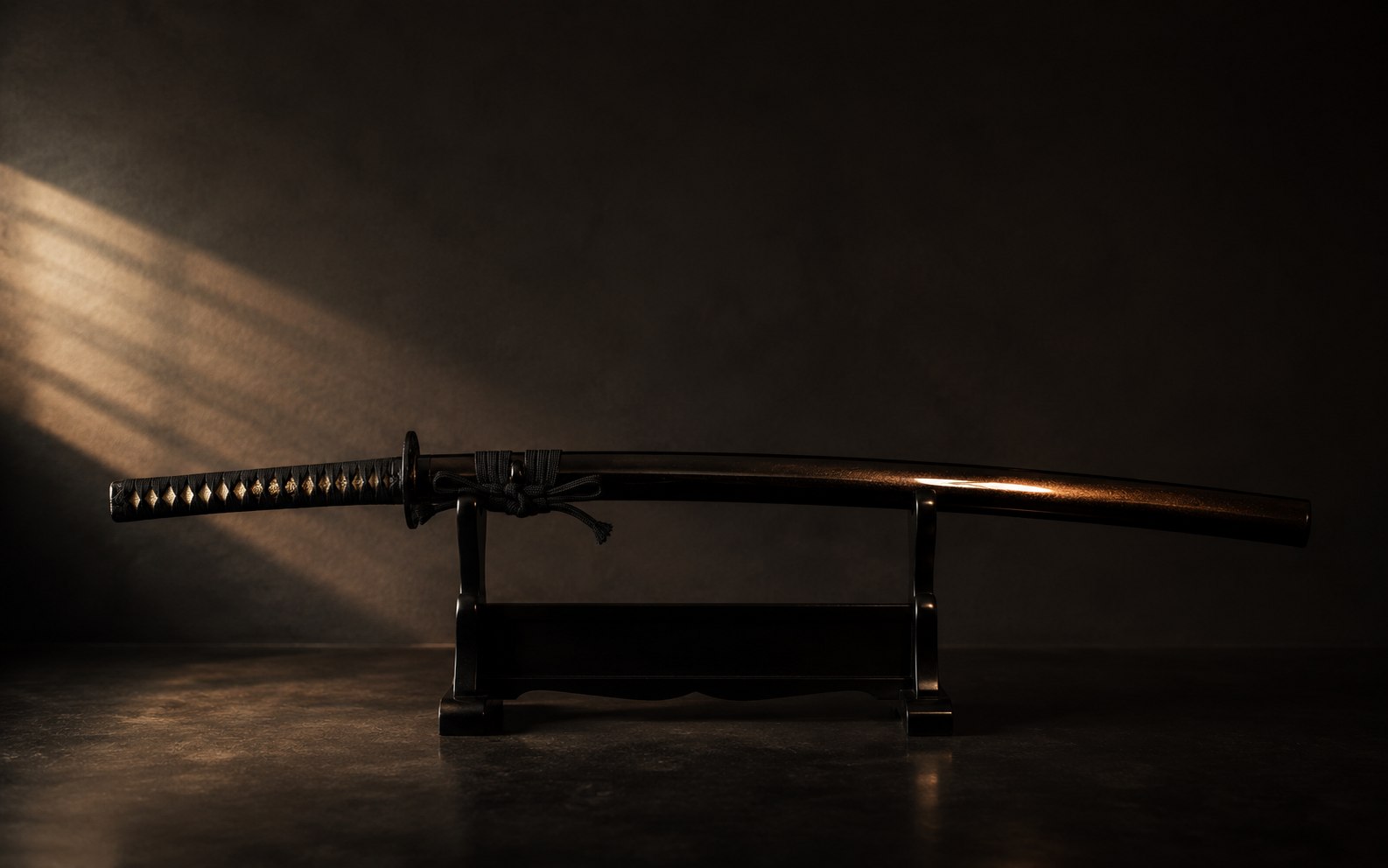
Bushidō (武士道) in Ink: The Samurai Virtues as Kanji
By K. YamaUpdated:The samurai virtues are written 義, 勇, 仁, 礼, 誠, 名誉 and 忠義. What each kanji means, where the list comes from, and the ideal of brush and sword.
Continue reading → -
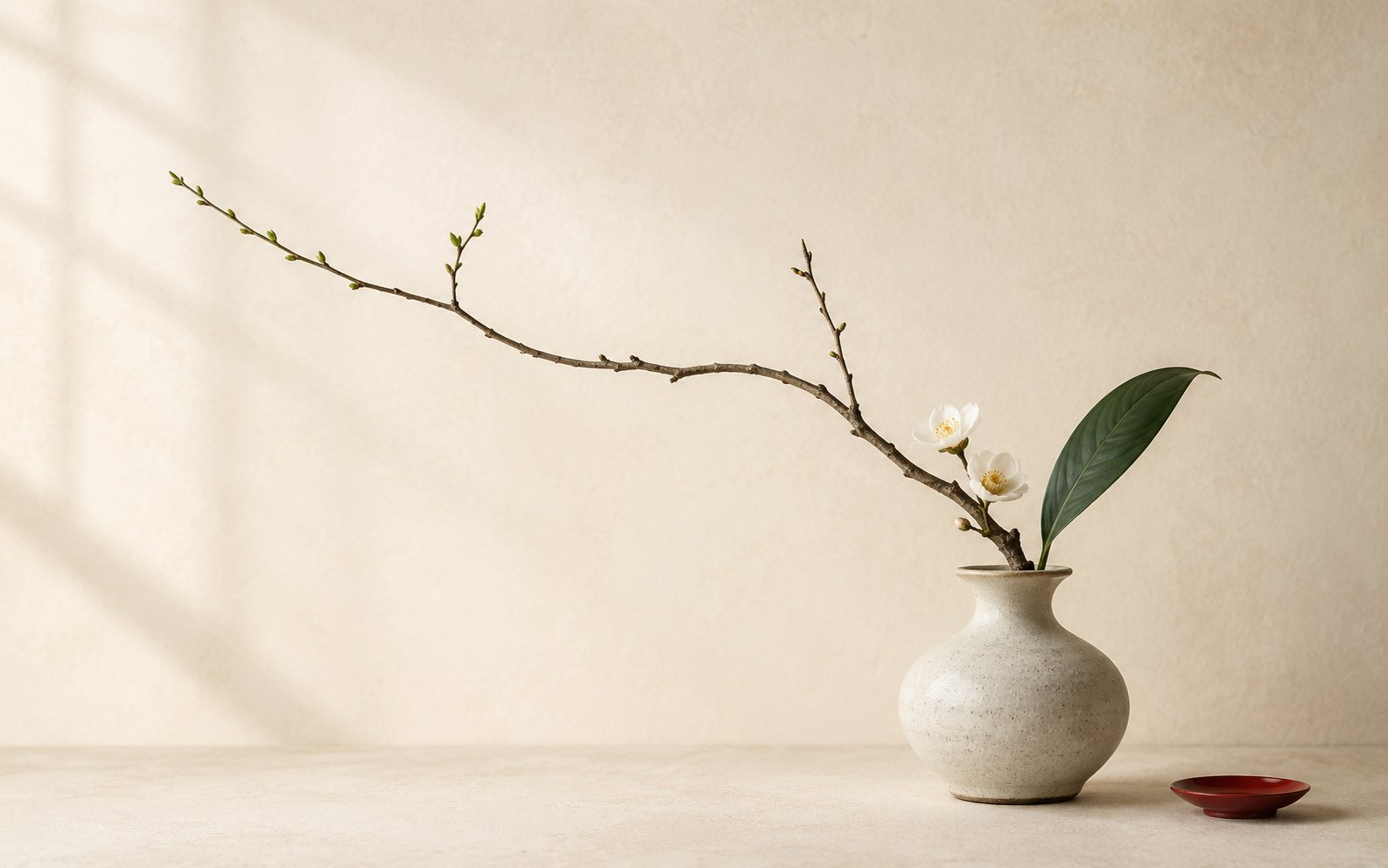
Ikebana (生け花) and the Scroll: Flowers in the Tokonoma
By K. YamaUpdated:In a Japanese alcove, flowers and a hanging scroll are chosen together. How ikebana and calligraphy share the tokonoma, and how to pair them.
Continue reading → -
Iki (粋) in Kanji: Edo Cool, and How to Write It
By K. YamaUpdated:Iki, 粋, is Edo's understated cool. What the one kanji means (it is also read sui, 'essence'), how Kuki Shūzō defined iki, and how to brush 粋 well.
Continue reading → -
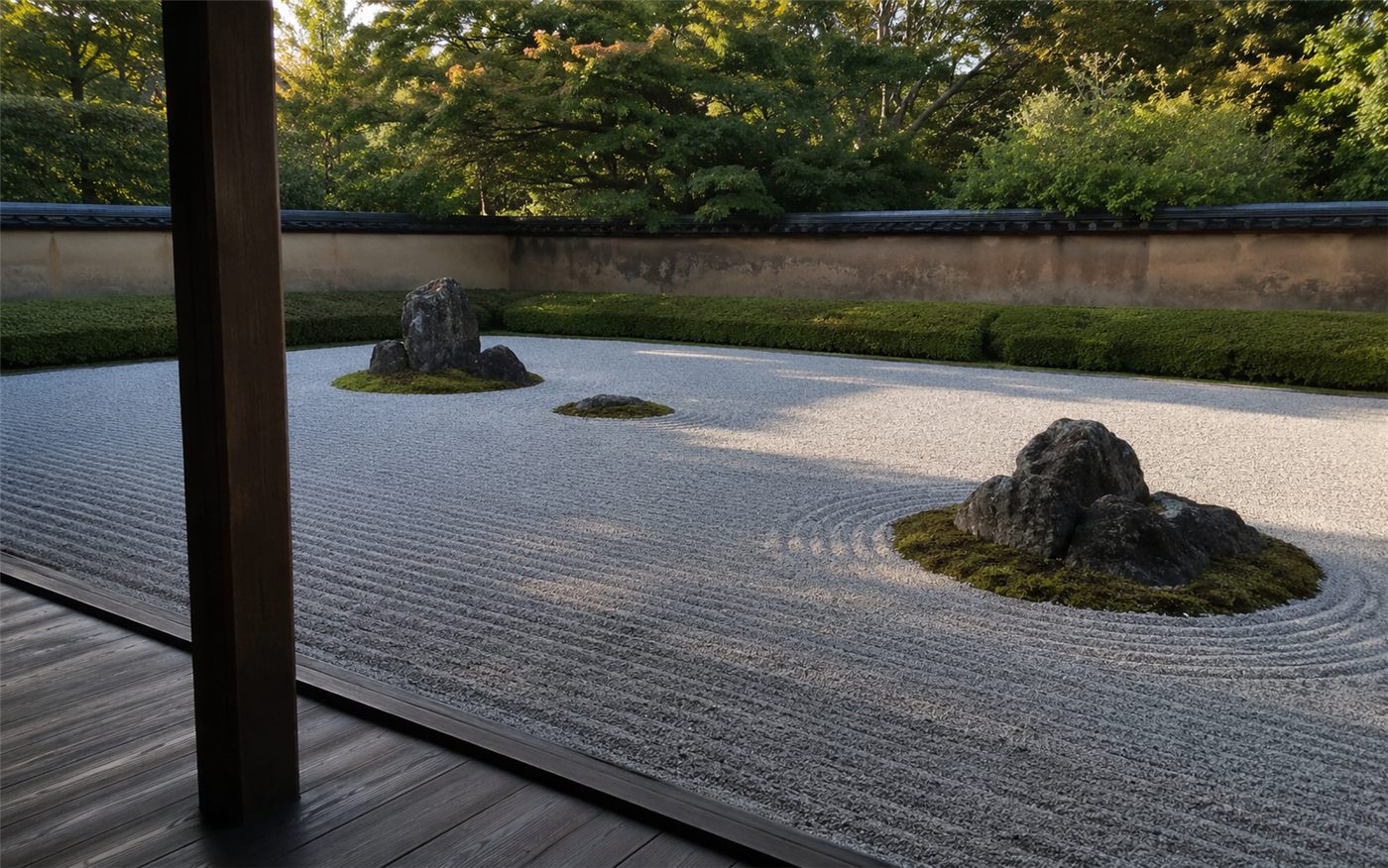
Japanese Gardens (日本庭園), Read Like an Ink Painting
By K. YamaUpdated:Gardens and ink painting share one word, sansui, and one way of seeing. How to read a garden like a scroll, what its plaques say, and the main types.
Continue reading → -
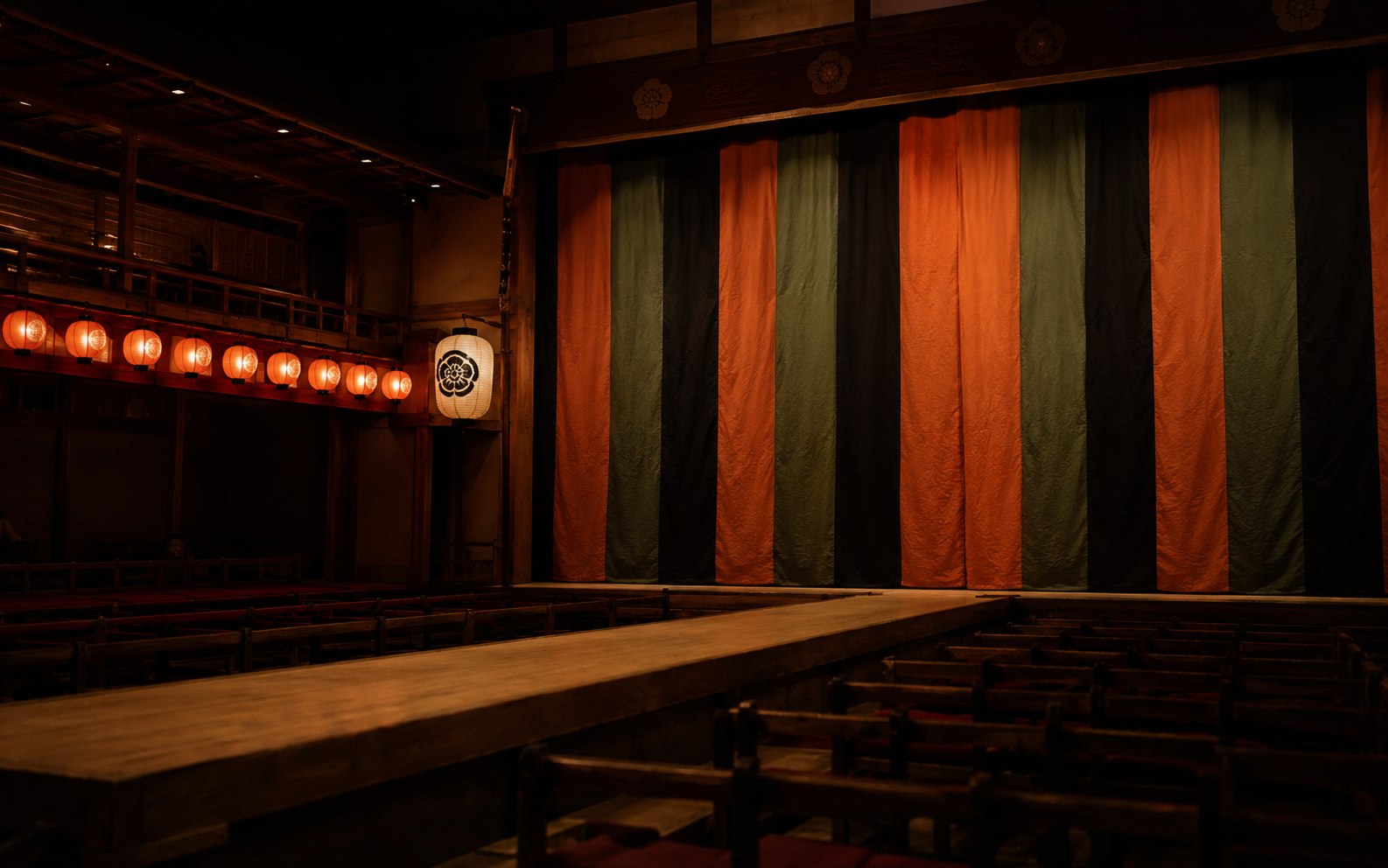
Kabuki (歌舞伎) and Kanteiryū: Its Lucky Lettering
By K. YamaUpdated:Kabuki has its own calligraphy: kanteiryū, fat, rounded lettering that wishes for a packed house. How to spot it, what 歌舞伎 means, and the theater behind it.
Continue reading → -
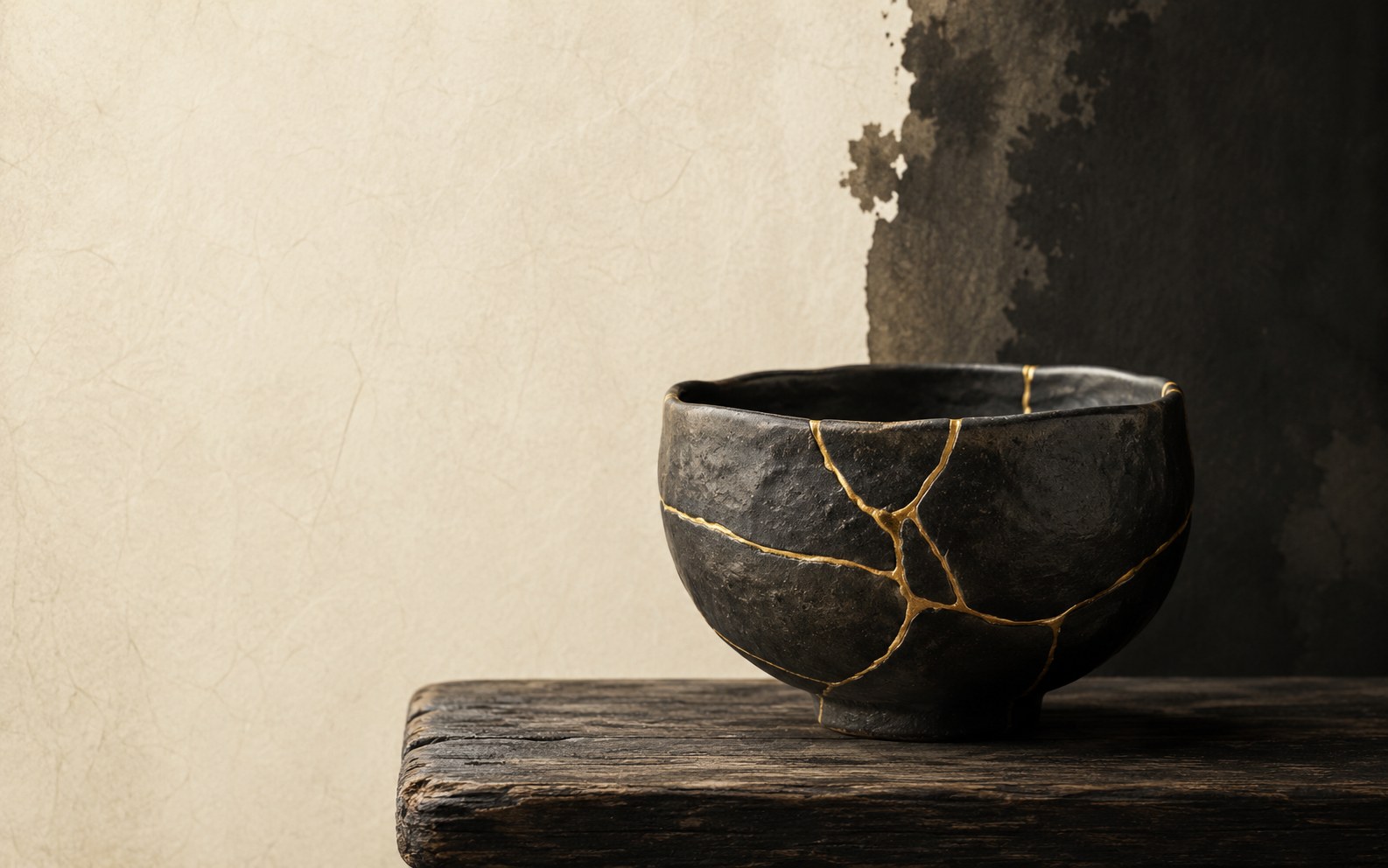
Kintsugi (金継ぎ): The Brushwork Behind Golden Repair
By K. YamaUpdated:The gold line of kintsugi is painted with a brush along a crack no one chose. What 金継ぎ means, how the repair is done, and what it shares with calligraphy.
Continue reading → -
Komorebi (木漏れ日): Meaning and How to Write It
By K. YamaUpdated:Komorebi, 木漏れ日, is literally 'sun leaking through trees.' What each kanji means, the spelling 木洩れ日, and how to brush the word so it looks like light.
Continue reading → -
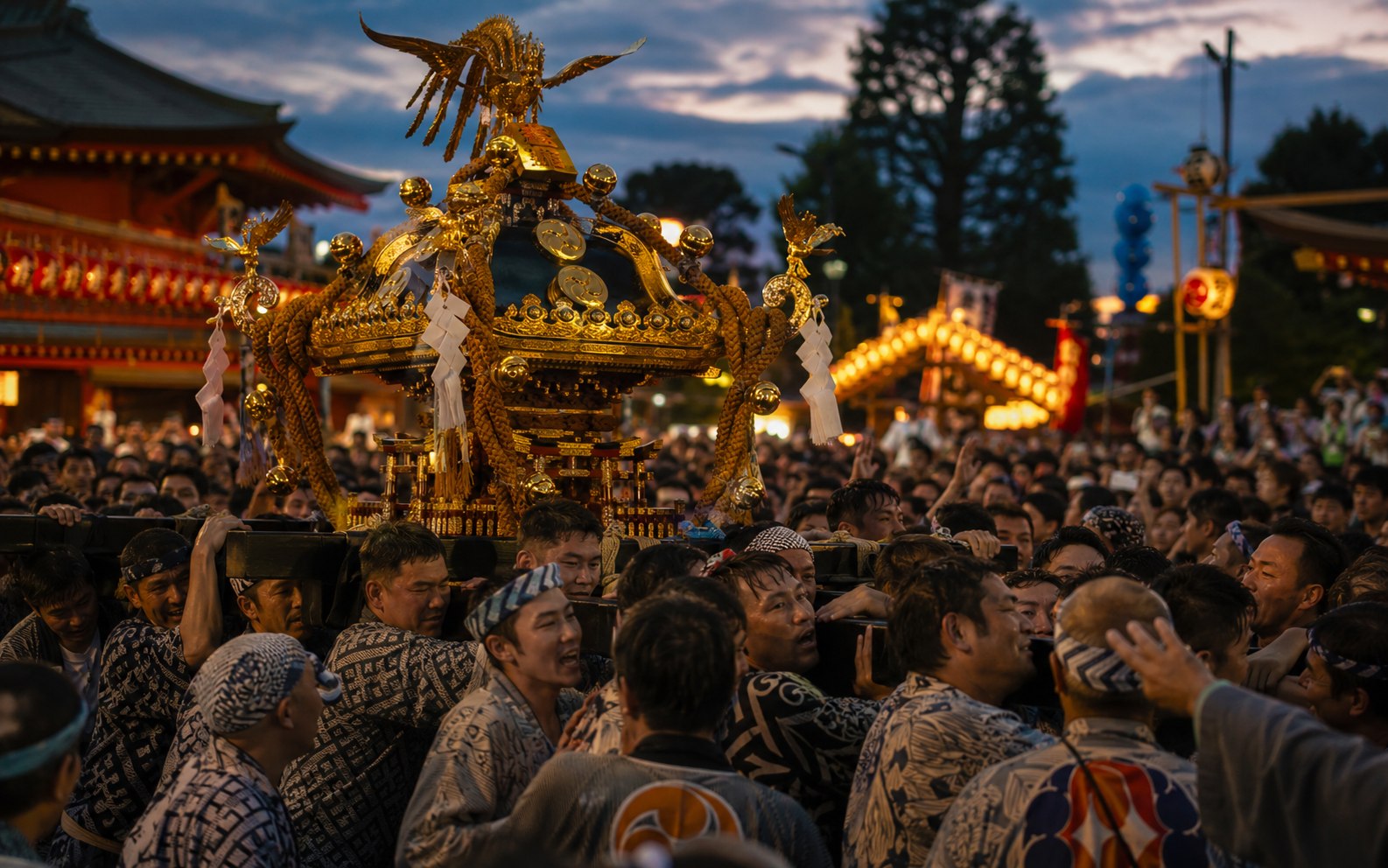
Matsuri (祭り) Lettering: Lanterns, Banners and 祭
By K. YamaUpdated:A Japanese festival is full of brush lettering: lanterns, shrine banners, happi coats. How to read it, what 祭 shows, and the Shinto rite behind it.
Continue reading → -
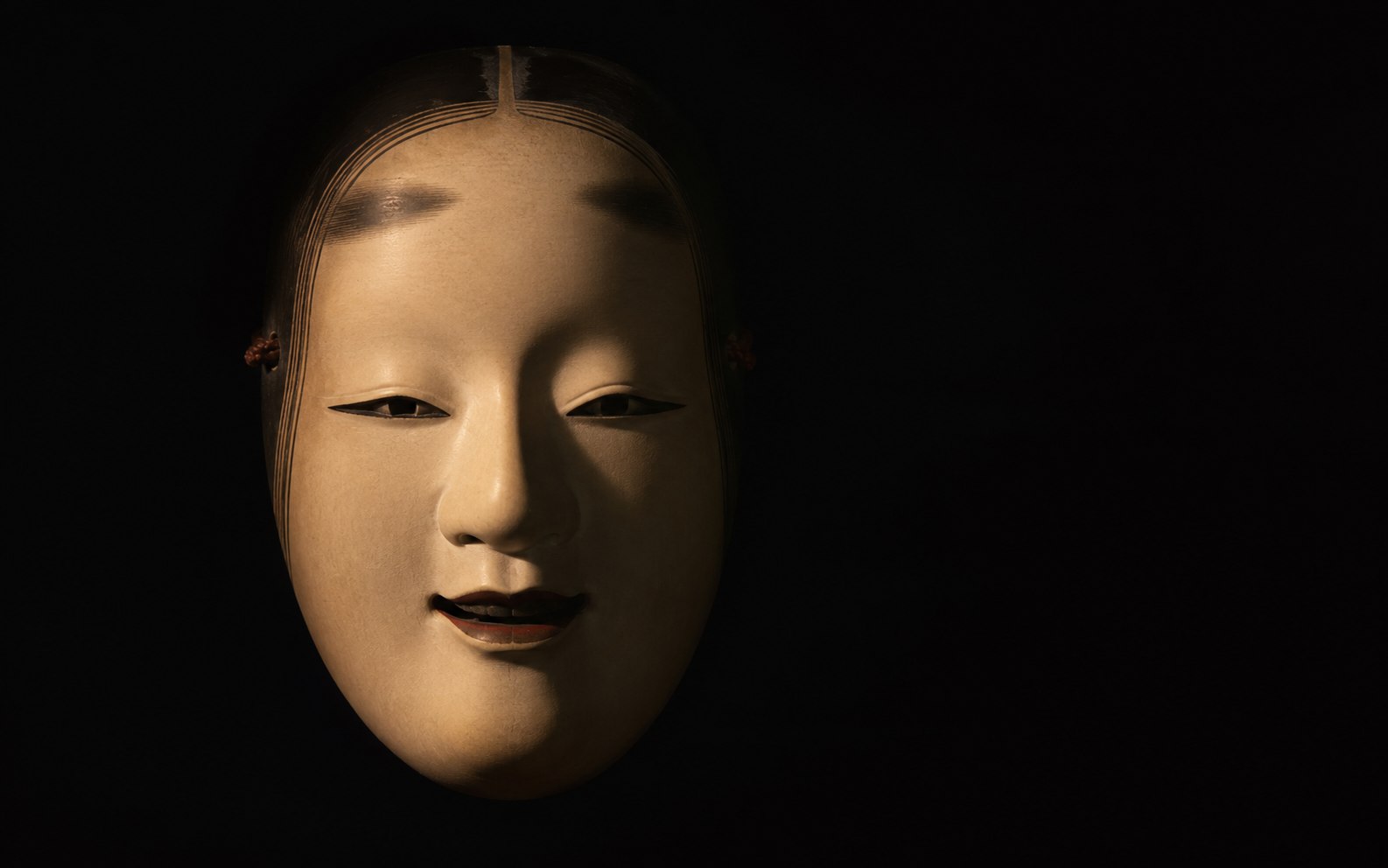
Noh (能) and Zeami: Theater Words That Became Calligraphy
By K. YamaUpdated:'Never forget the beginner's mind' and 'what is hidden is the flower' come from Noh. Zeami's phrases on scrolls, the kanji 能, and the slow theater behind them.
Continue reading →