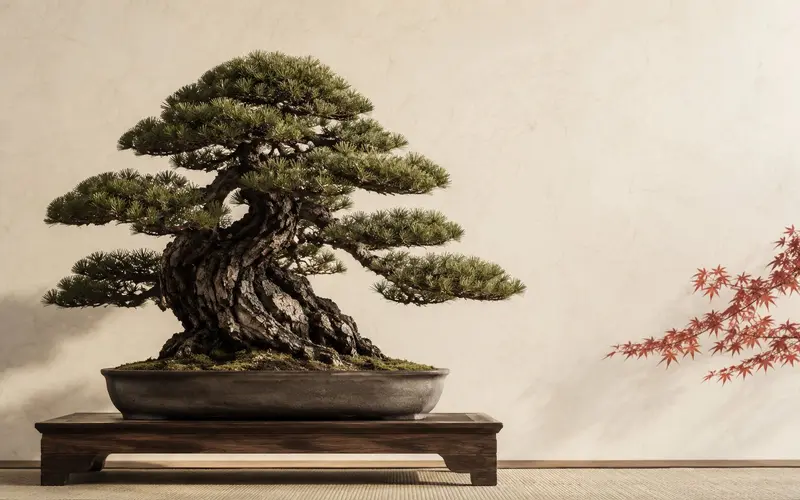
Bonsai (盆栽): The Kanji, the Scroll, and the Display
Bonsai means 'tray planting.' What the two kanji say, how to brush them, and why a fine tree is traditionally shown in an alcove beside a hanging scroll.
和 wa · Japan, harmony
Wabi-sabi, ma, ikigai, kintsugi: the words travel far from Japan and often lose their meaning on the way. Each piece explains one idea or tradition simply, and many show where the brush and written characters appear inside it.
Bonsai means 'tray planting.' What the two kanji say, how to brush them, and why a fine tree is traditionally shown in an alcove beside a hanging scroll.
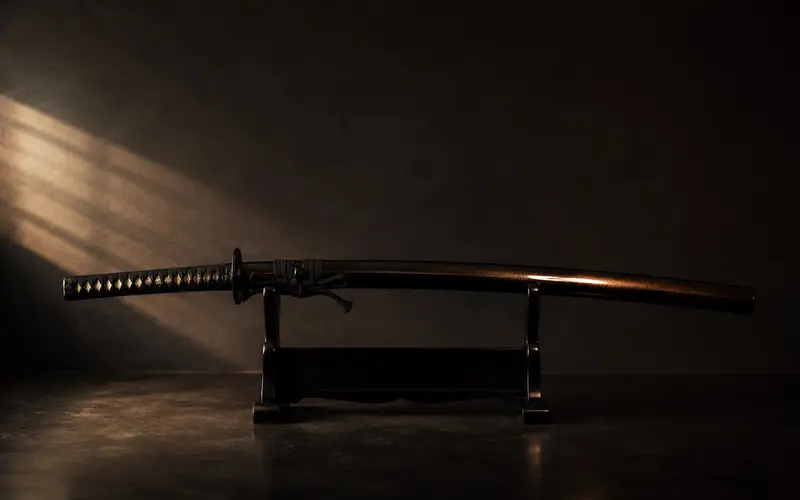
The samurai virtues are written 義, 勇, 仁, 礼, 誠, 名誉 and 忠義. What each kanji means, where the list comes from, and the ideal of brush and sword.
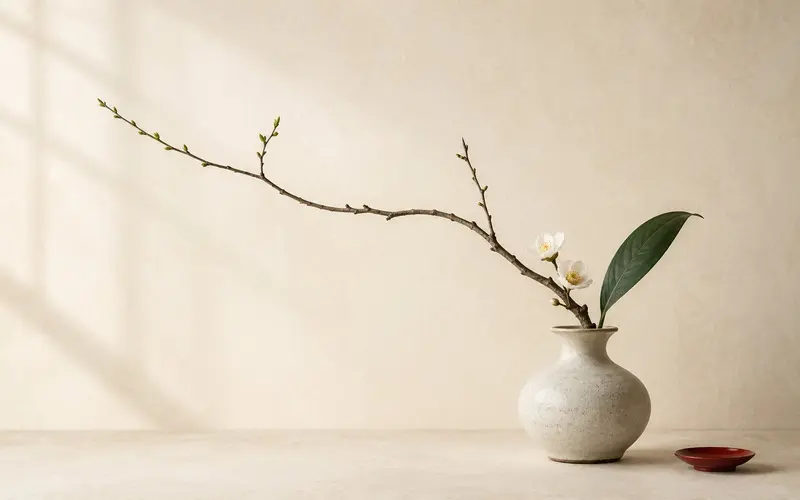
In a Japanese alcove, flowers and a hanging scroll are chosen together. How ikebana and calligraphy share the tokonoma, and how to pair them.
Iki, 粋, is Edo's understated cool. What the one kanji means (it is also read sui, 'essence'), how Kuki Shūzō defined iki, and how to brush 粋 well.
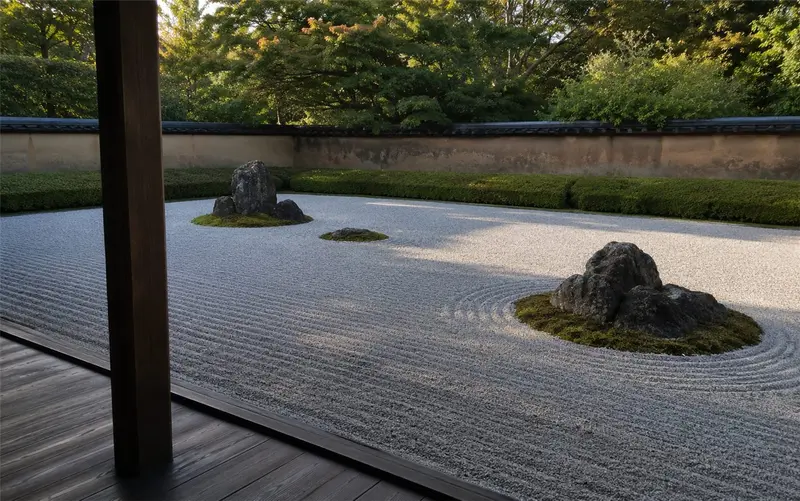
Gardens and ink painting share one word, sansui, and one way of seeing. How to read a garden like a scroll, what its plaques say, and the main types.
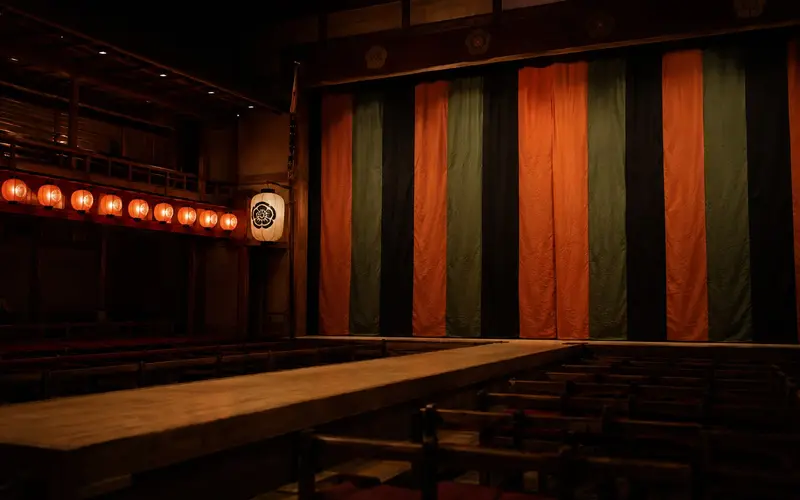
Kabuki has its own calligraphy: kanteiryū, fat, rounded lettering that wishes for a packed house. How to spot it, what 歌舞伎 means, and the theater behind it.

Komorebi, 木漏れ日, is literally 'sun leaking through trees.' What each kanji means, the spelling 木洩れ日, and how to brush the word so it looks like light.
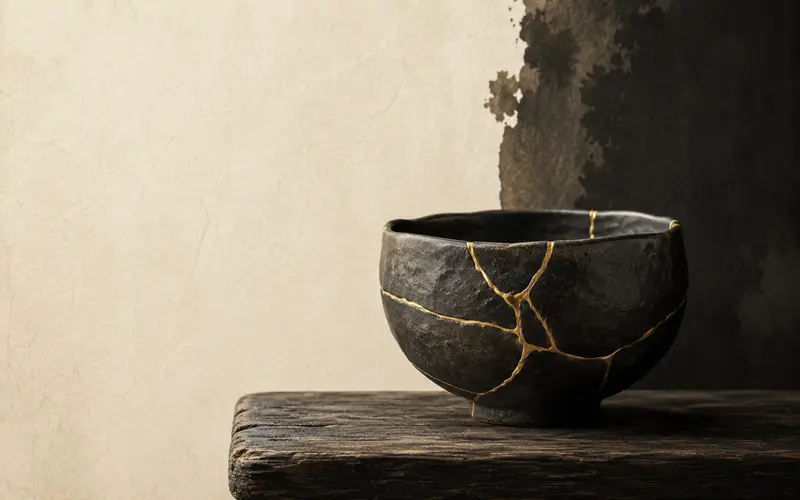
The gold line of kintsugi is painted with a brush along a crack no one chose. What 金継ぎ means, how the repair is done, and what it shares with calligraphy.
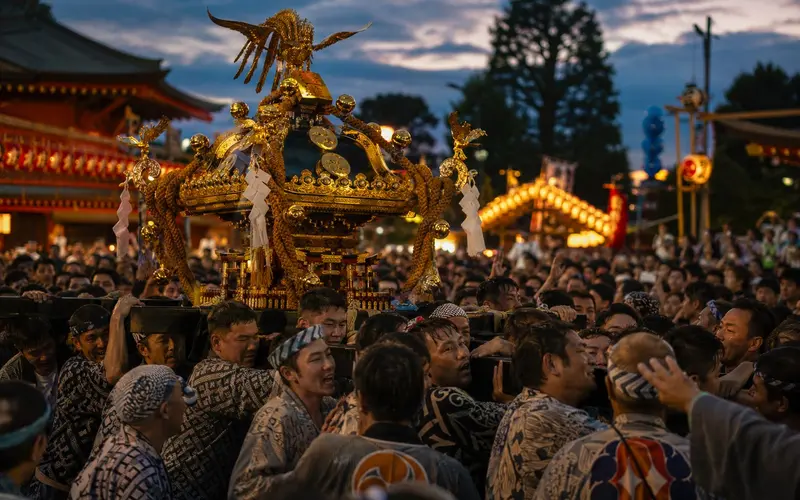
A Japanese festival is full of brush lettering: lanterns, shrine banners, happi coats. How to read it, what 祭 shows, and the Shinto rite behind it.
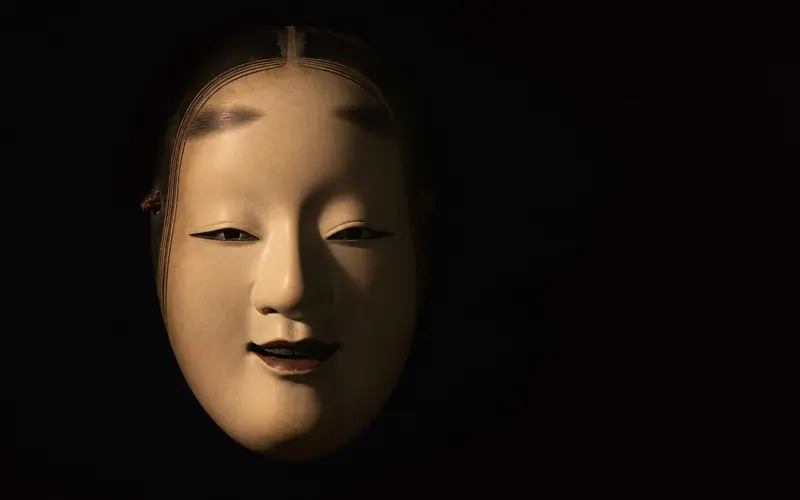
'Never forget the beginner's mind' and 'what is hidden is the flower' come from Noh. Zeami's phrases on scrolls, the kanji 能, and the slow theater behind them.
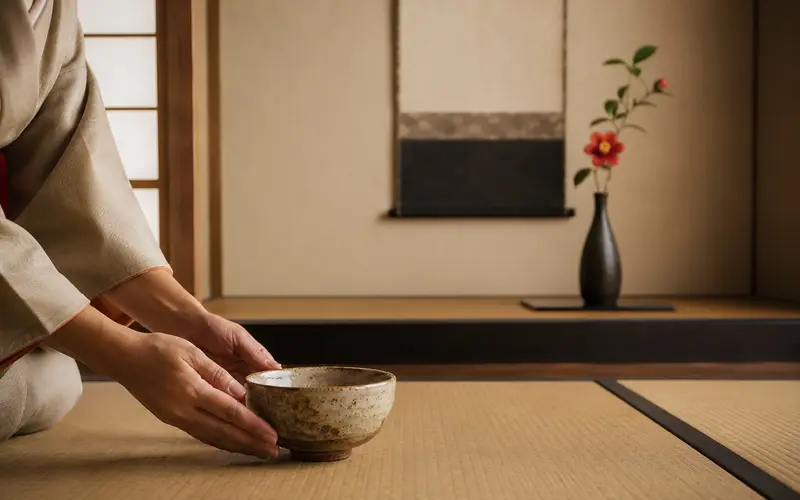
In a tea room, omotenashi begins with a scroll chosen for one guest on one day. How the word is written, what hosts hang, and why it isn't customer service.
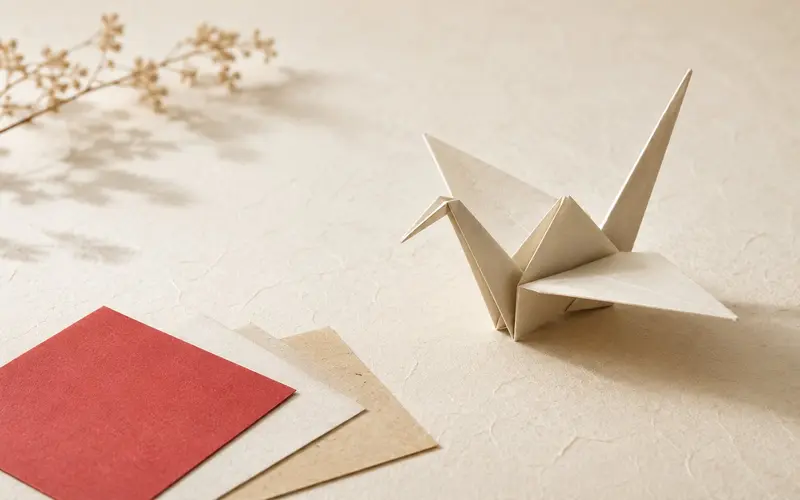
Before origami was a hobby, folded paper was etiquette: gift wraps, noshi and envelopes written with a brush. How to write them, and origami's real history.
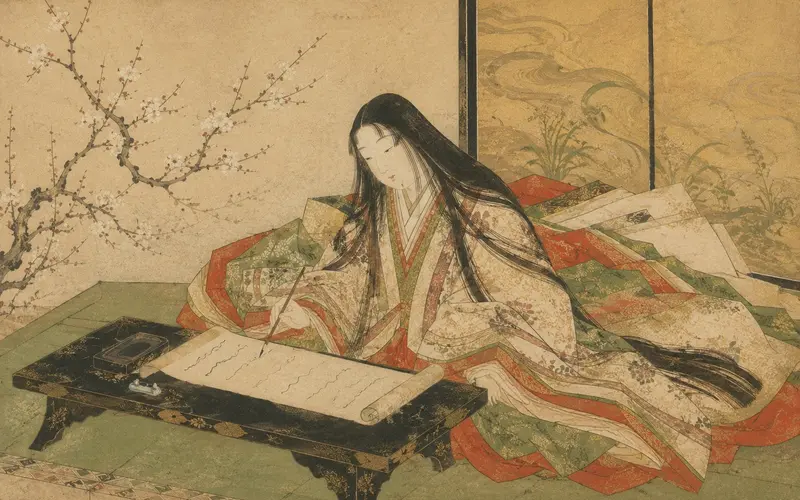
Japan's greatest novel was written in kana, the script called the 'women's hand.' How Genji shaped Japanese calligraphy, and how to read and write its title.
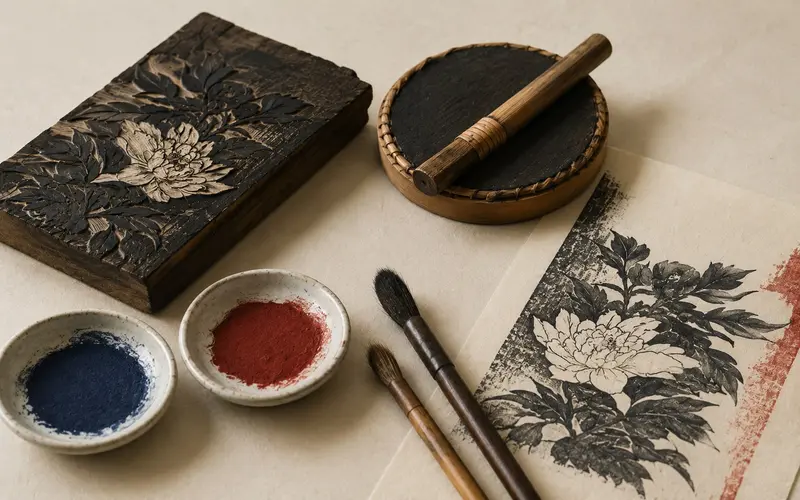
Every ukiyo-e print is full of writing: signature, title, publisher's mark, censor's seal. How to read them, and the brush behind the floating world.
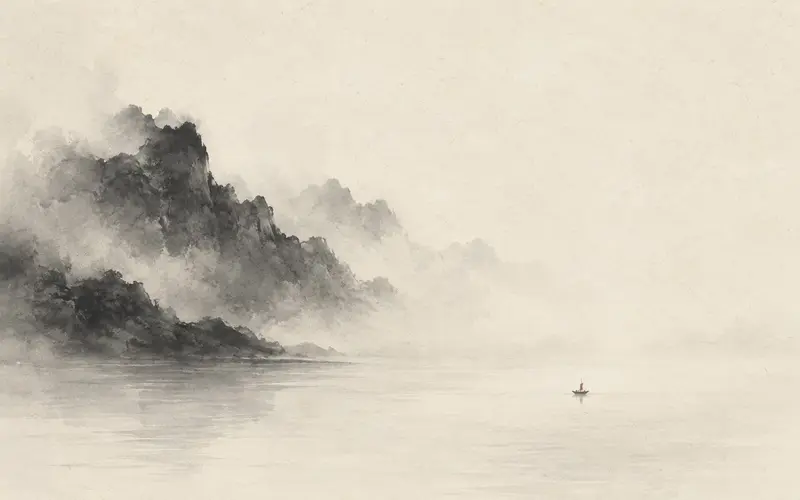
Yūgen, 幽玄, is the beauty of depth that is suggested, not shown. What its two dark kanji mean, how ink tones express it, and how to brush the word.
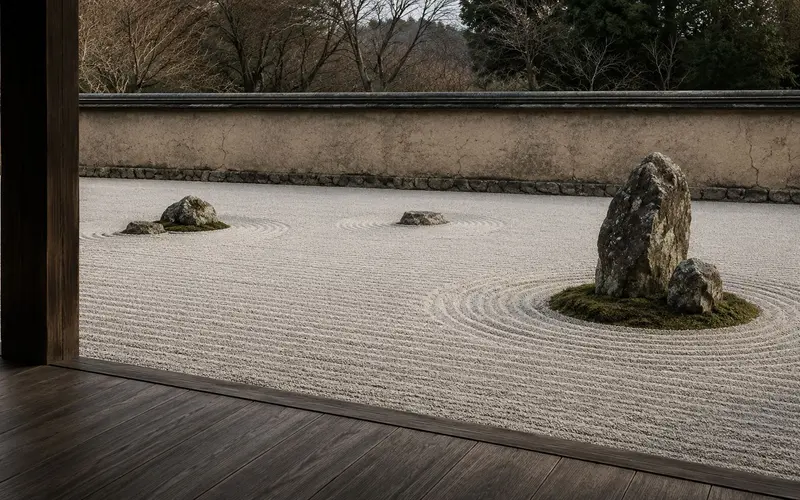
Zen rock gardens and Zen calligraphy grew up in the same temples. How karesansui works, the scrolls and ensō that hang beside it, and how to write 枯山水.
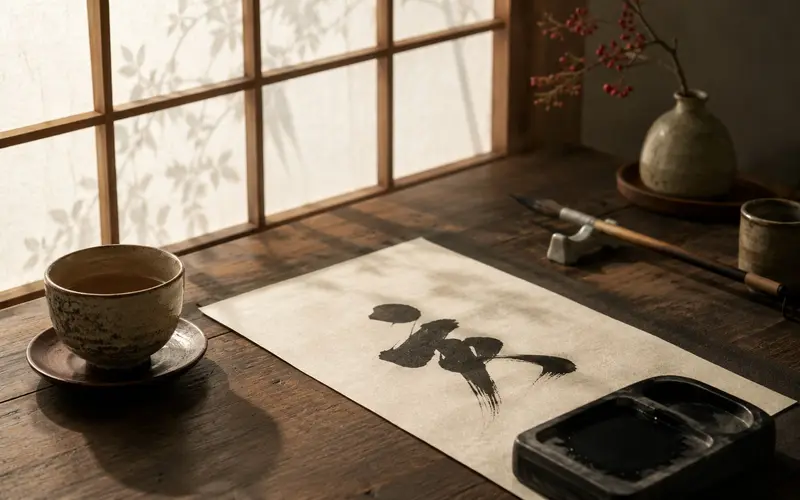
Ikigai is written 生き甲斐, and its last two kanji were borrowed for their sound. What the word really means, and how to write it well with a brush.
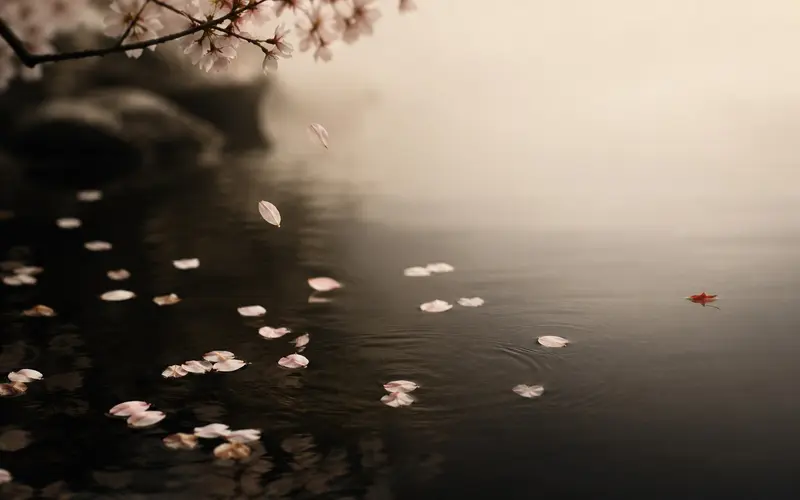
Mono no aware is the bittersweet feeling of things passing. What its characters say, why the old kana spelling matters, and how calligraphy makes the idea visible.
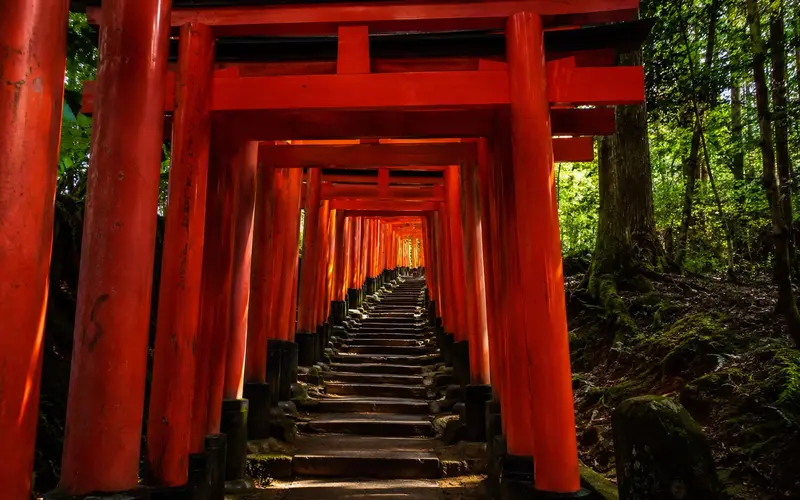
A shrine is where most Japanese meet the brush. How to read a goshuin, what to write on an ema, and the Shinto ideas behind the ink.
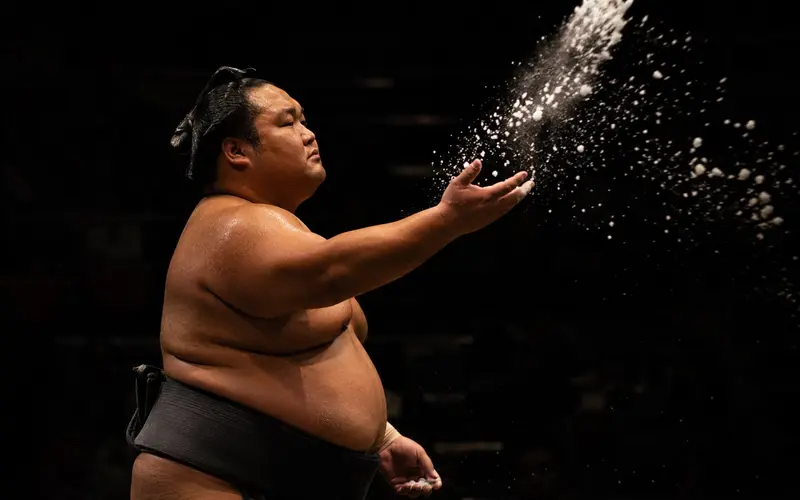
Sumo's ranking sheet is brushed by a referee in sumō-ji, a packed, ink-heavy hand that wishes for a full house. How to read it, and the Shinto ritual behind the sport.
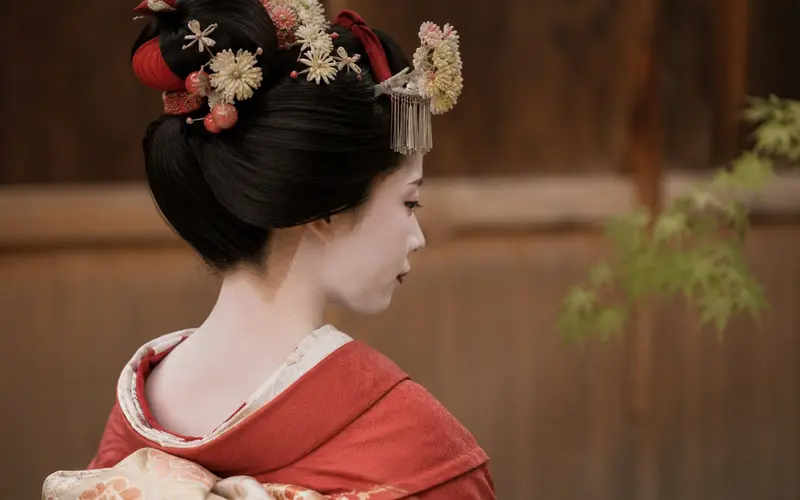
Geisha means 'artist,' not what the West imagines. What geisha really do, how they differ from courtesans and from maiko, and why the first geisha were men.
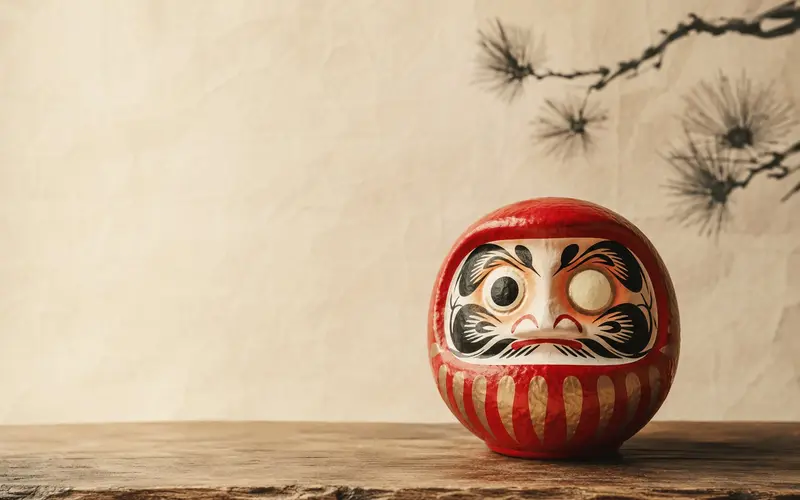
The red Daruma doll isn't just a lucky charm — it's Bodhidharma, the founder of Zen. The story of the doll, the eye-painting ritual, and what it means.
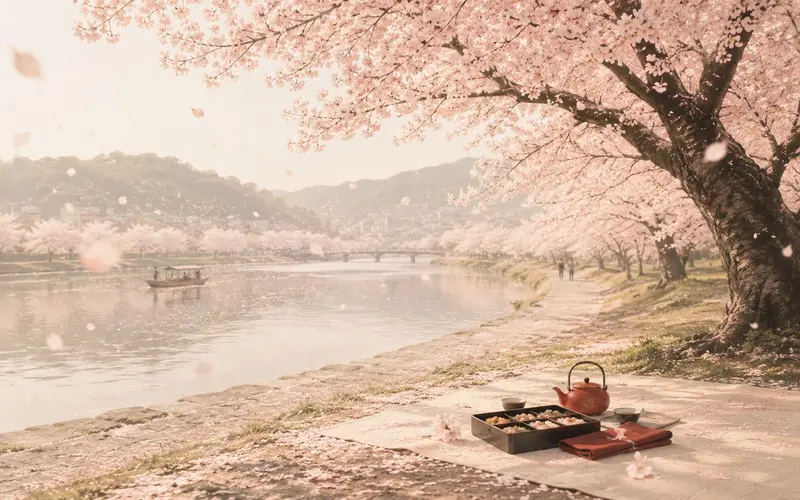
Hanami (花見), Japan's cherry blossom viewing, began with plum. Its 1,300-year history, how the picnic works, and why the falling petals are the point.
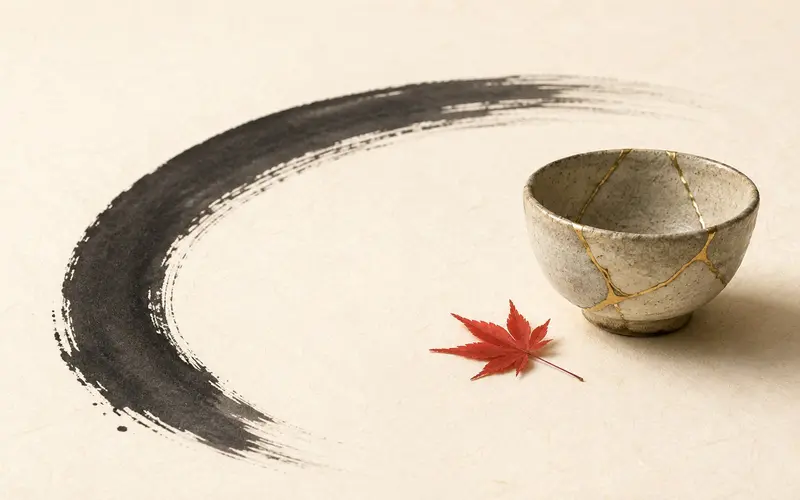
A clear, accurate glossary of 14 Japanese aesthetic terms — wabi-sabi, ikigai, ma, yūgen, mono no aware, kintsugi, and more — with the myths corrected.
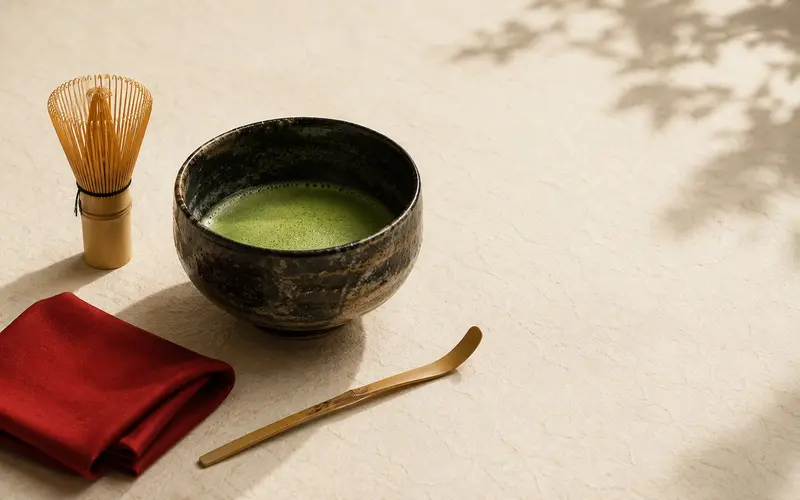
The Japanese tea ceremony (sadō) was never really about the tea. What chanoyu actually is: a discipline of hospitality, impermanence, and one unrepeatable meeting.
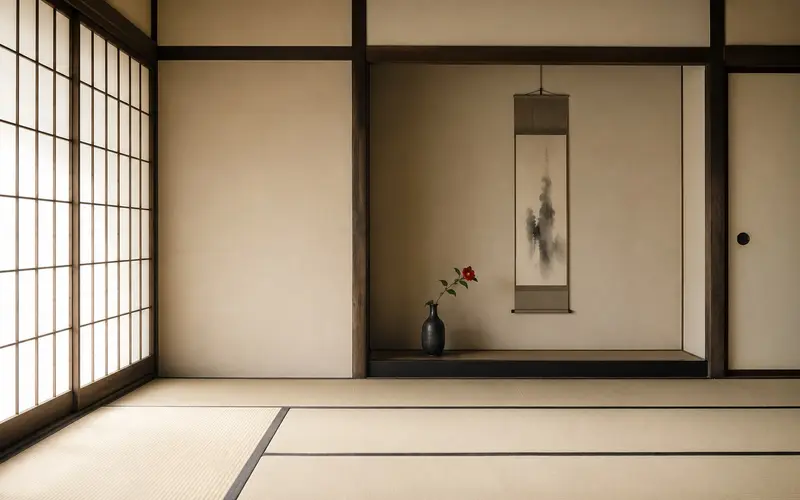
Ma (間) is Japan's meaningful emptiness in space AND time — not 'negative space' but the charged interval holding music, rooms, and the page together.
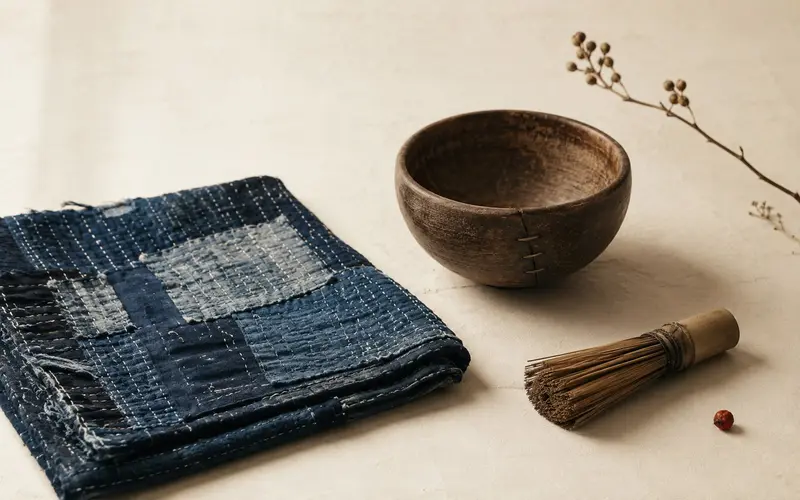
Mottainai is usually flattened to 'don't waste.' It really means the intrinsic worth of a thing is being lost — closer to grief than to thrift. Explained.
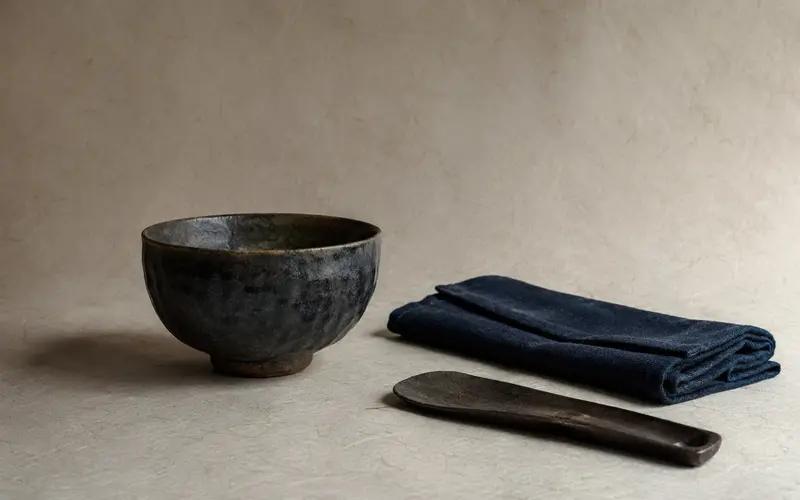
Shibui is Japan's understated, refined beauty — related to wabi-sabi but not the same thing. The difference, and why the word began as a sour taste.

Shinrin-yoku, 'forest bathing,' isn't ancient Zen — it's a 1982 Japanese idea that turned out to have real science behind it. What it is, and how to do it.
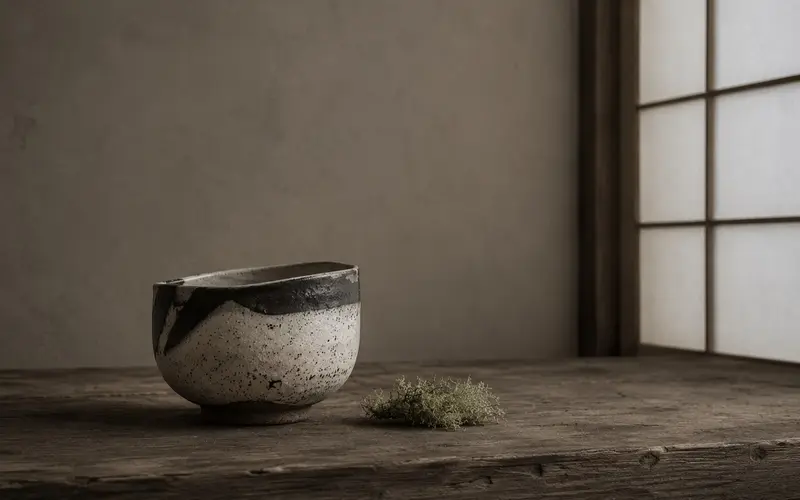
Wabi-sabi is Japan's aesthetic of imperfect, impermanent beauty — and the West mostly gets it wrong. What it really means, from tea room to brush.
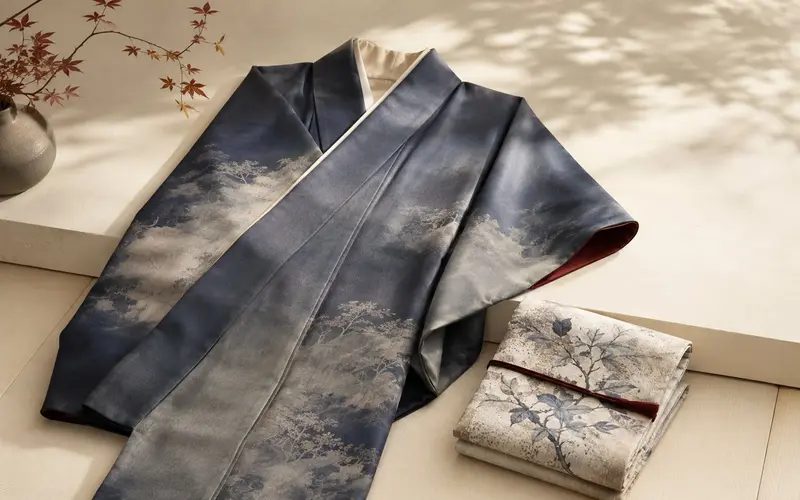
Kimono means, literally, 'a thing to wear' — a living garment with seasonal rules and one detail you must never get wrong. The real story, not the costume.