Japanese Culture
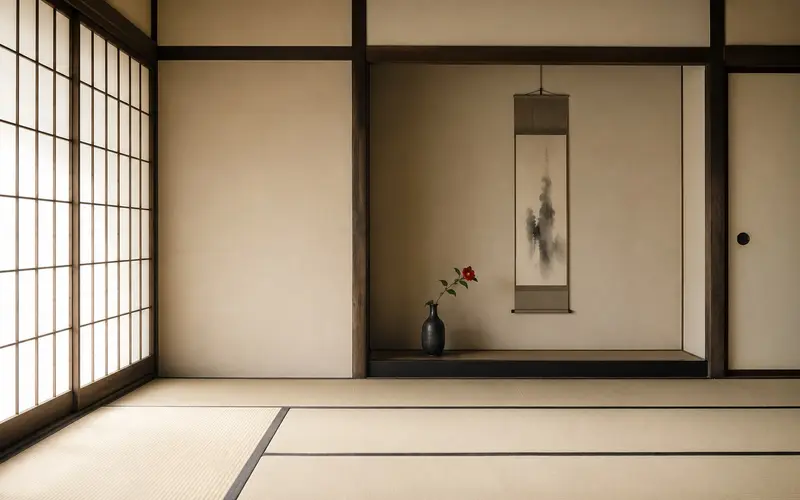
Ma (間): The Japanese Art of Negative Space and the Pause
Ma (間) is Japan's meaningful emptiness in space AND time — not 'negative space' but the charged interval holding music, rooms, and the page together.
43 articles with this tag.
Ma (間) is Japan's meaningful emptiness in space AND time — not 'negative space' but the charged interval holding music, rooms, and the page together.
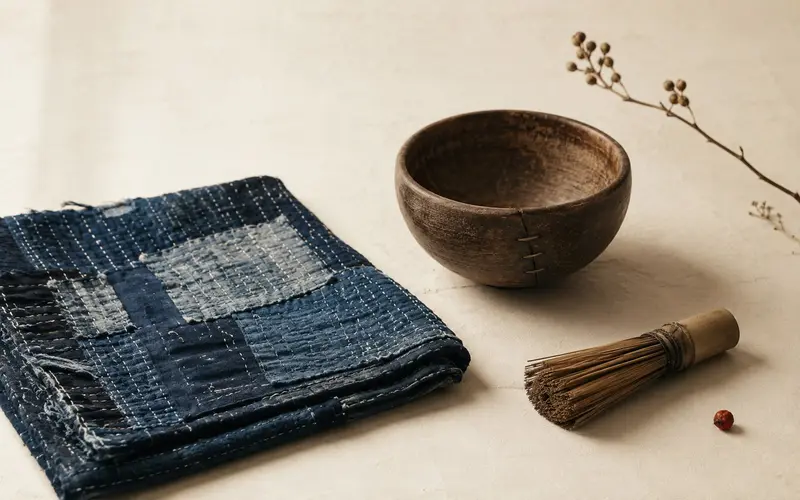
Mottainai is usually flattened to 'don't waste.' It really means the intrinsic worth of a thing is being lost — closer to grief than to thrift. Explained.
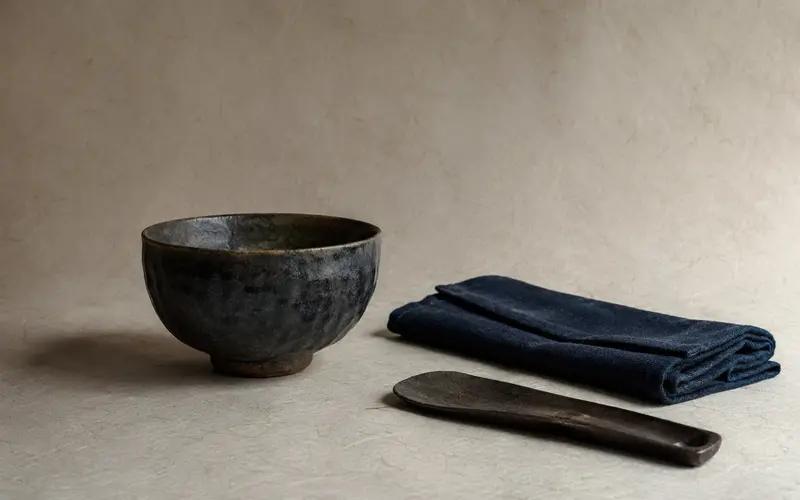
Shibui is Japan's understated, refined beauty — related to wabi-sabi but not the same thing. The difference, and why the word began as a sour taste.

Shinrin-yoku, 'forest bathing,' isn't ancient Zen — it's a 1982 Japanese idea that turned out to have real science behind it. What it is, and how to do it.
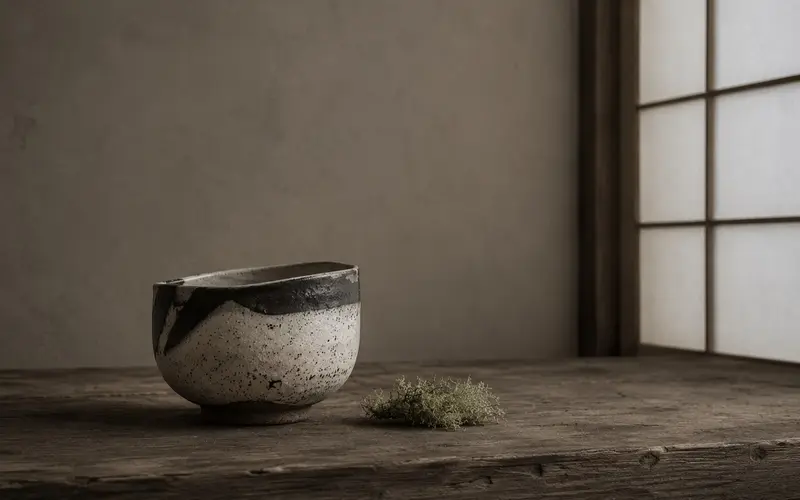
Wabi-sabi is Japan's aesthetic of imperfect, impermanent beauty — and the West mostly gets it wrong. What it really means, from tea room to brush.
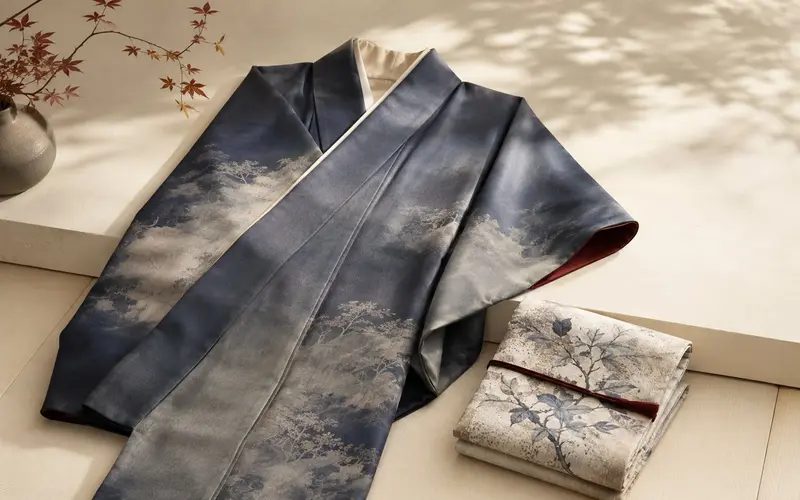
Kimono means, literally, 'a thing to wear' — a living garment with seasonal rules and one detail you must never get wrong. The real story, not the costume.
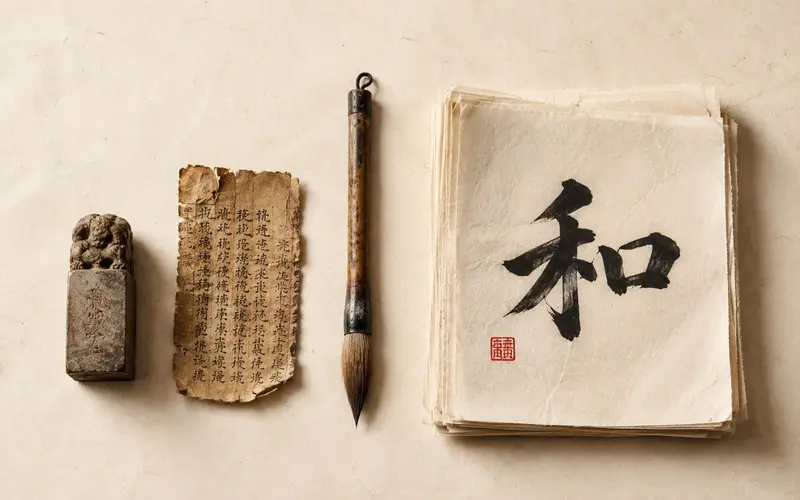
Japanese calligraphy has 1,500 years of continuous tradition. A Japanese calligrapher's guide to the people, periods, and turns that made shodō what it is today.