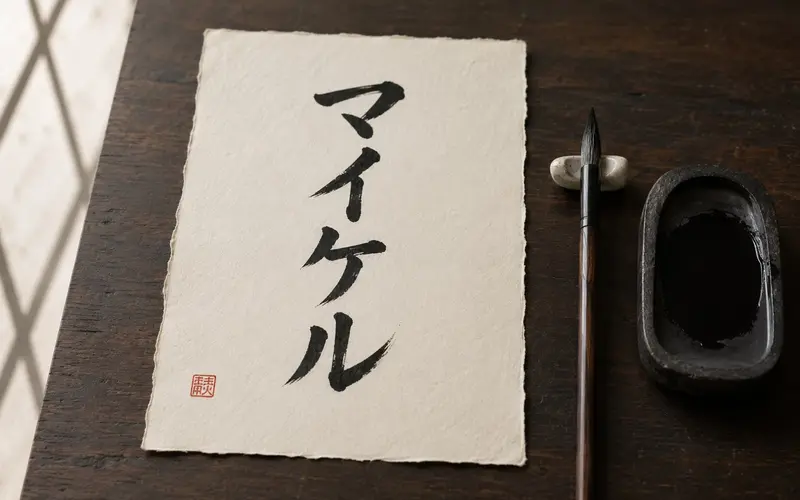
Names & Tattoos
How to Write Your Name in Japanese (Katakana Guide)
Your name in Japanese is written in katakana by sound, not kanji by meaning. How the conversion really works, and the mistakes that trip everyone up.
108 articles with this tag.
Your name in Japanese is written in katakana by sound, not kanji by meaning. How the conversion really works, and the mistakes that trip everyone up.
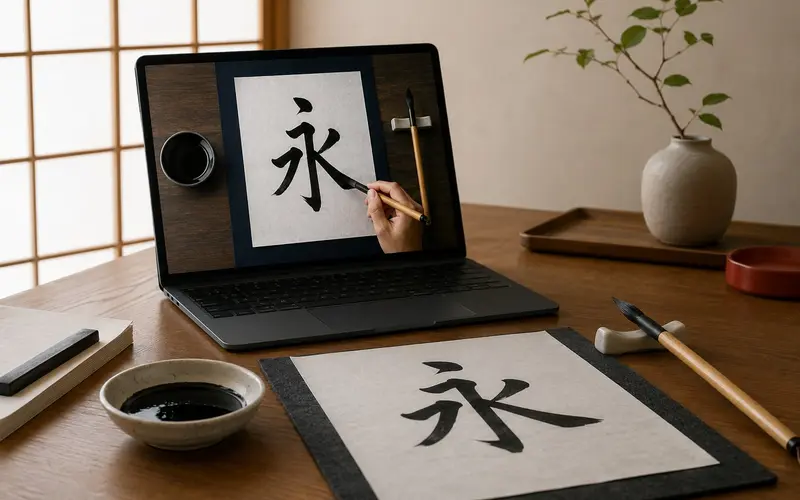
Want to learn shodō online but don't know where to start? A Japanese calligrapher reviews the best online Japanese calligraphy courses for beginners in 2026.
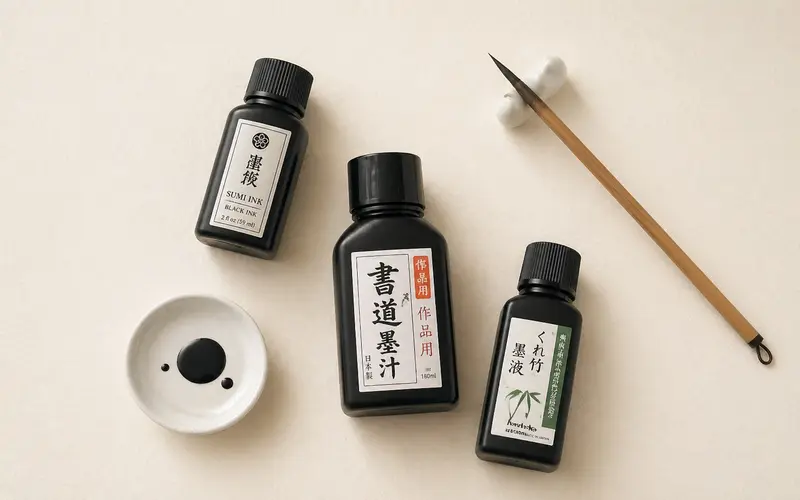
A Japanese calligrapher compares the three bottled sumi inks beginners meet most often — what each is like to use, and which to start with.
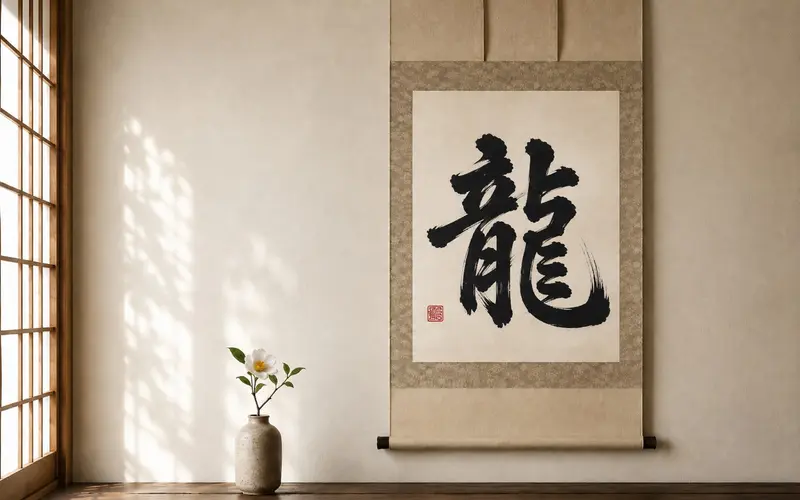
Most 'Japanese calligraphy' wall art is a computer font, sometimes with the wrong kanji. A calligrapher's guide to buying real, meaningful pieces for your wall.
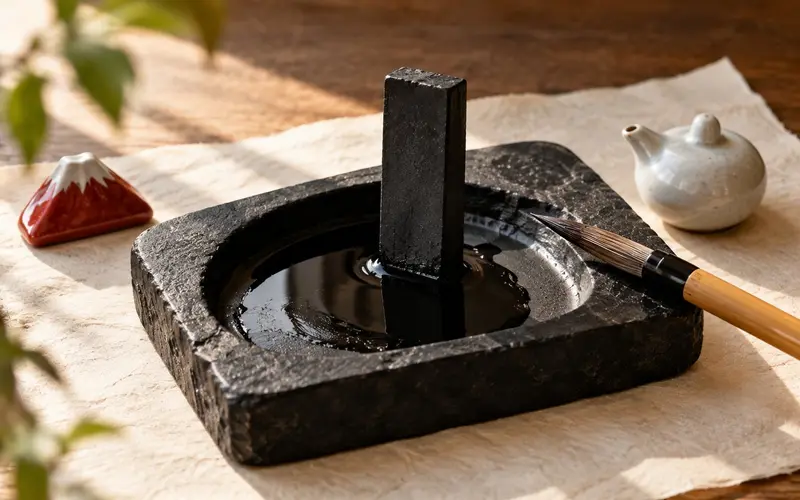
Grinding your own ink is the moment shodō stops being a hobby and becomes a practice. A Japanese calligrapher on the four ink sticks worth buying, from a $9 starter to Kobaien.
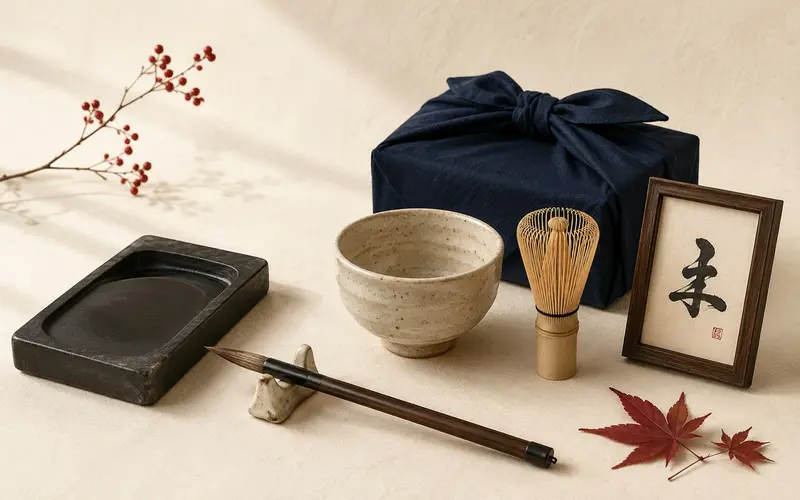
What to give someone who loves Japan — and what to skip. Honest, useful picks across calligraphy, tea, and craft, plus the tourist junk to avoid.
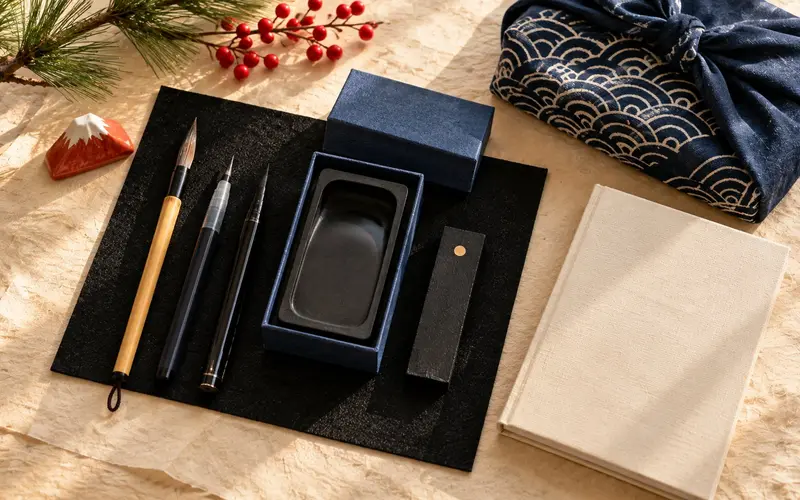
Fifteen gifts a Japanese calligrapher would actually be glad to receive, every one under $50 and on Amazon: brush pens, ink stones, the one book, a kintsugi kit, and three bundles that make a complete present.
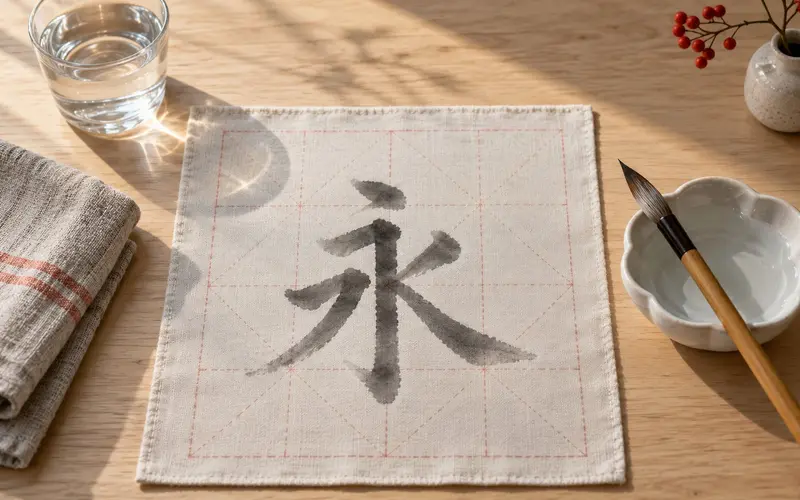
Brush practice with nothing but water: no ink, no stains, no waste. A Japanese calligrapher on the Buddha Board, water-writing cloths and water brushes, and which one actually improves your shodō.
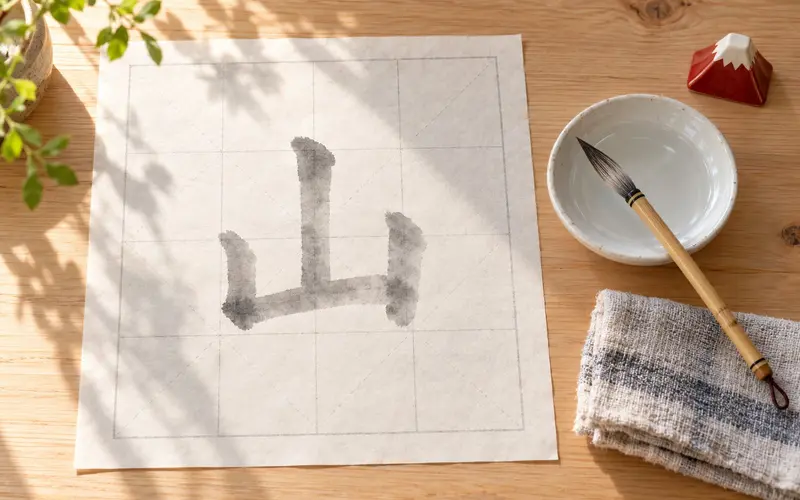
A Japanese calligrapher on the calligraphy sets that actually work for children — water-writing kits for under-8s, real ink sets for 8+, and what to avoid.
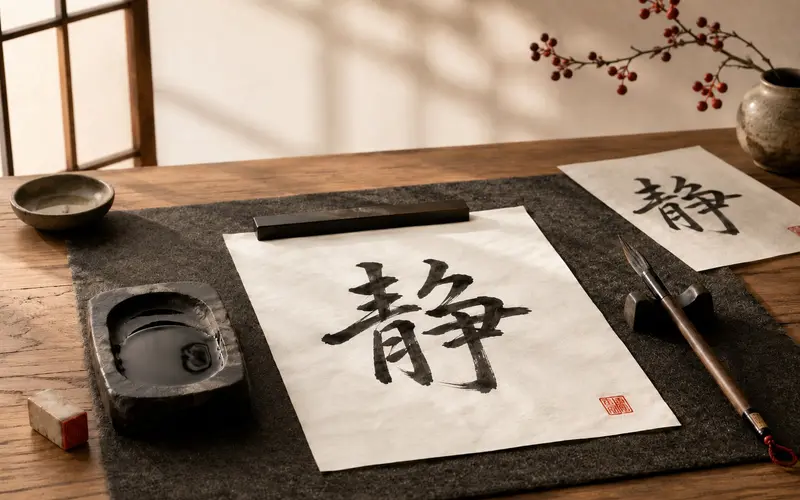
Twenty minutes a day beats three hours on Sunday. A Japanese calligrapher's honest daily shodō practice routine — the setup, the warm-up, and what to actually do.
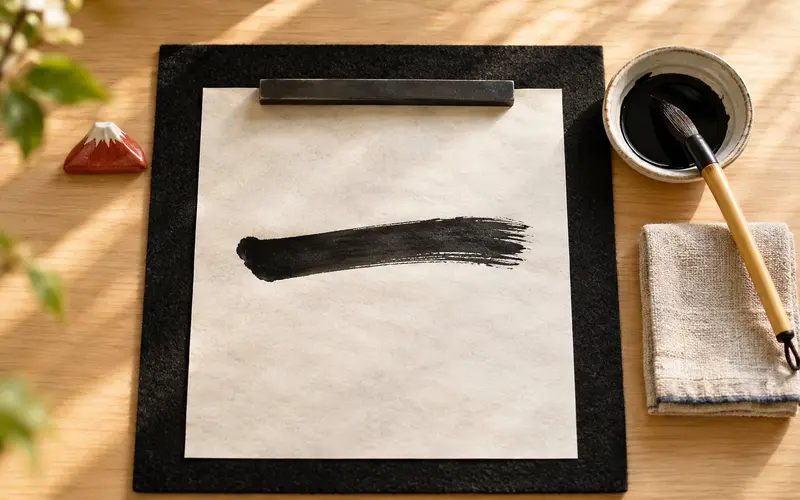
The two cheapest tools in Japanese calligraphy are the two most often skipped. A calligrapher on which felt mat (shitajiki) and paperweight (bunchin) to buy.
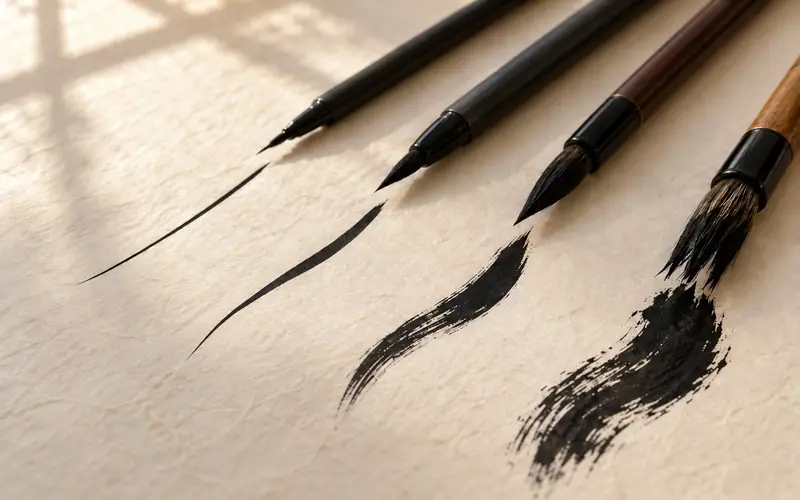
A Japanese calligrapher compares the four brush pens (fude pen) actually worth buying — Tombow, Pentel, Kuretake — and explains what a brush pen can and can't teach you.