Tag: culture
All the articles with the tag "culture".
-
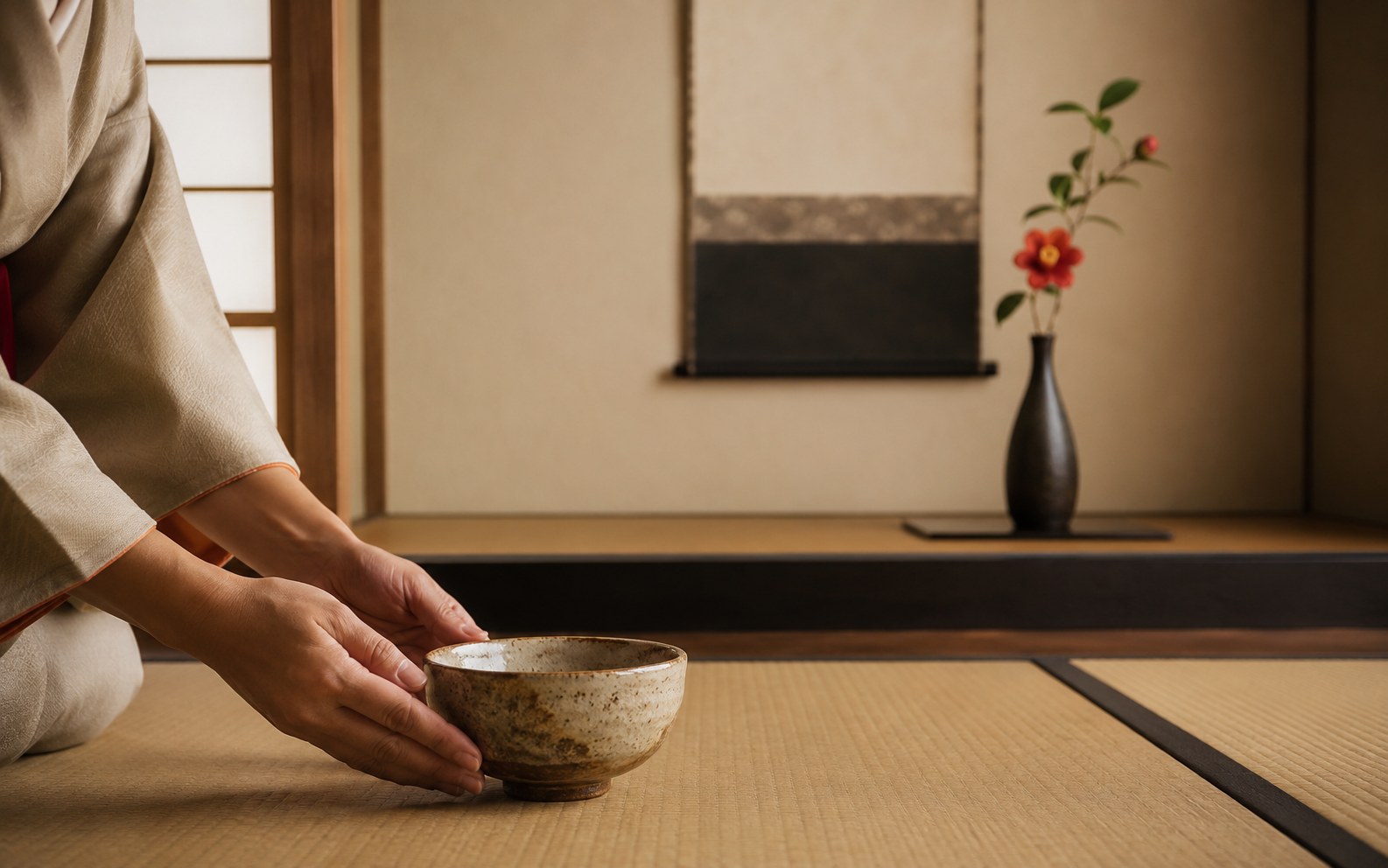
Omotenashi (おもてなし): Hospitality Starts With a Scroll
By K. YamaUpdated:In a tea room, omotenashi begins with a scroll chosen for one guest on one day. How the word is written, what hosts hang, and why it isn't customer service.
Continue reading → -
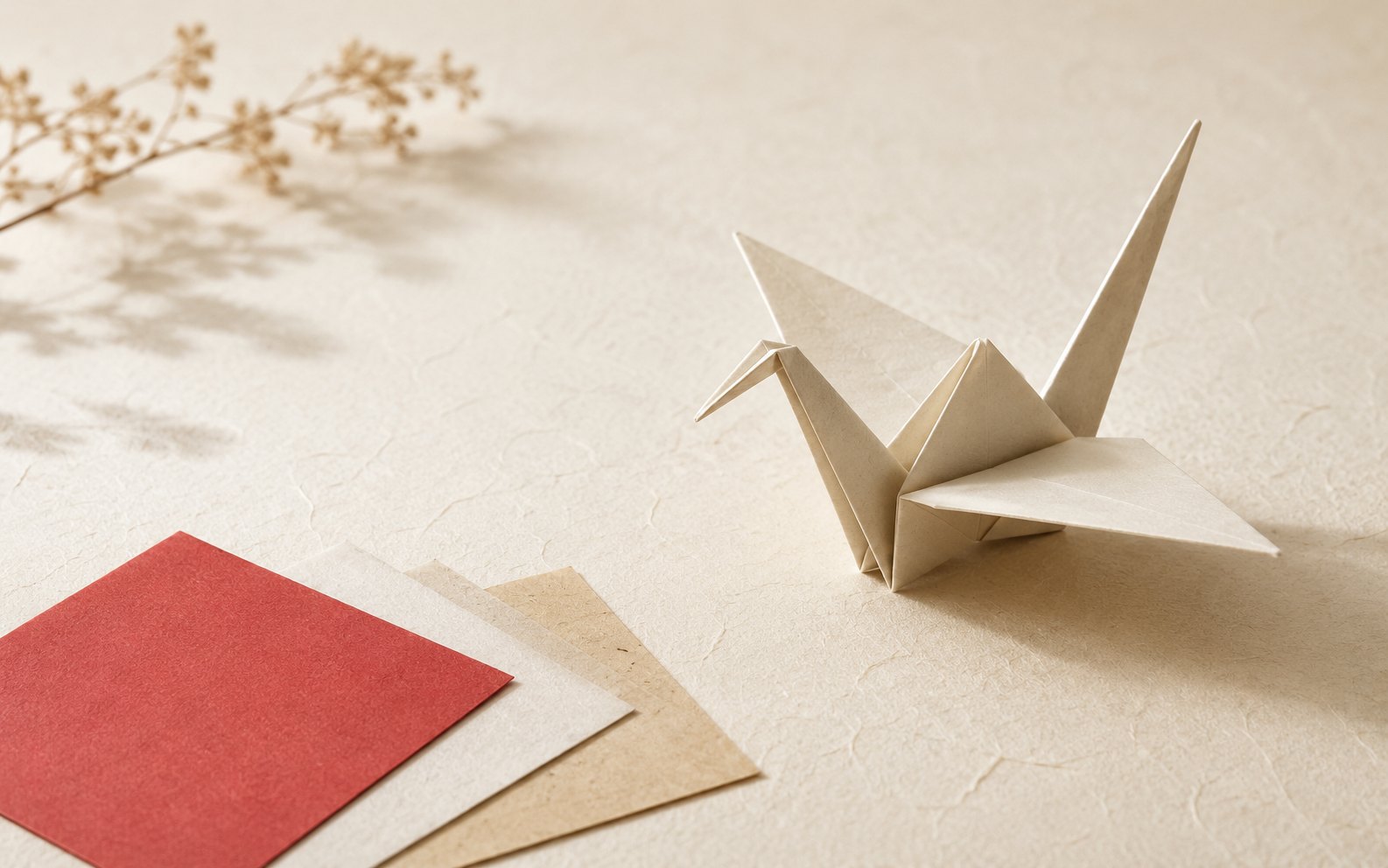
Origami (折り紙) and the Brush: Noshi and Gift Writing
By K. YamaUpdated:Before origami was a hobby, folded paper was etiquette: gift wraps, noshi and envelopes written with a brush. How to write them, and origami's real history.
Continue reading → -
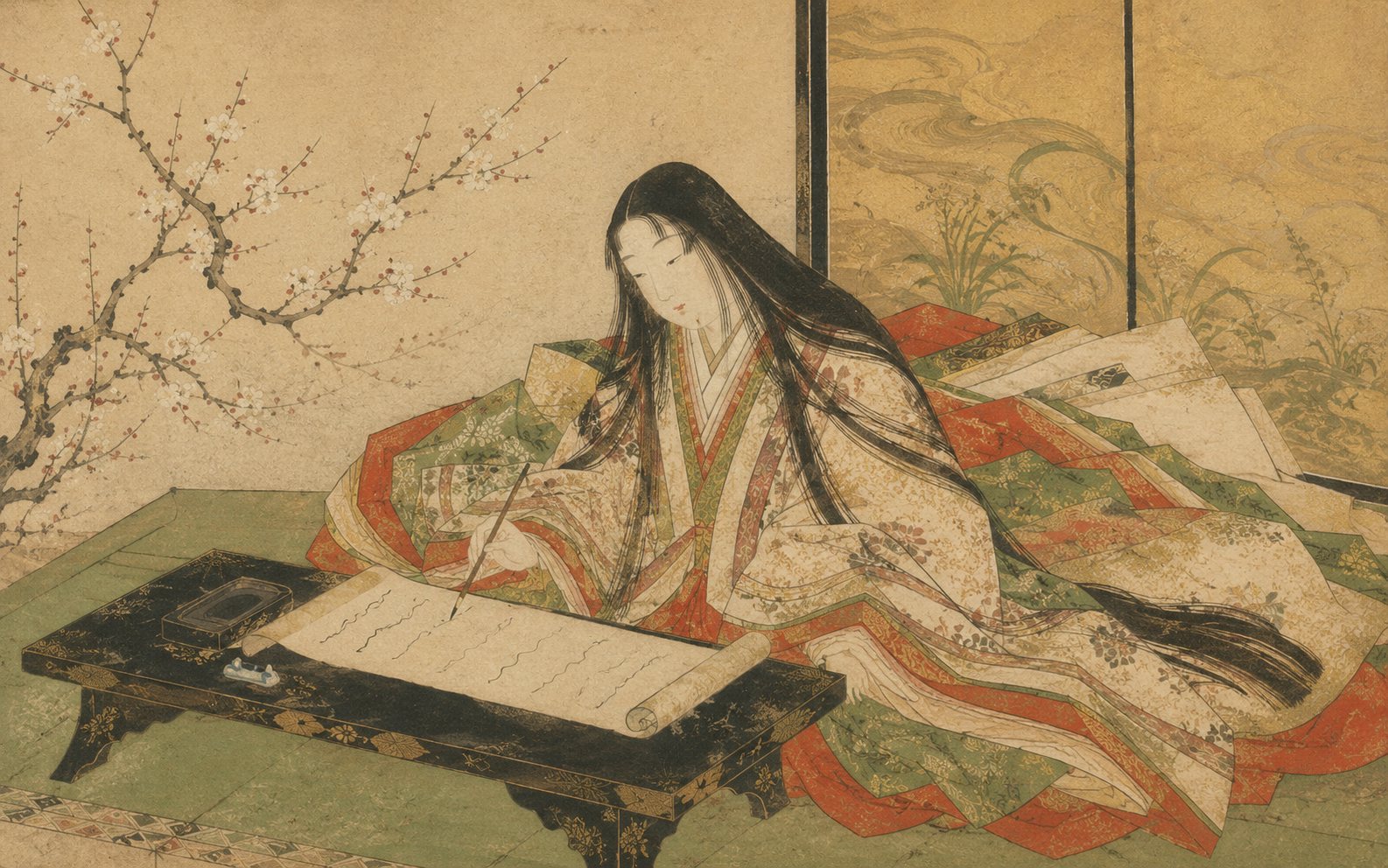
The Tale of Genji (源氏物語) and the 'Women's Hand'
By K. YamaUpdated:Japan's greatest novel was written in kana, the script called the 'women's hand.' How Genji shaped Japanese calligraphy, and how to read and write its title.
Continue reading → -
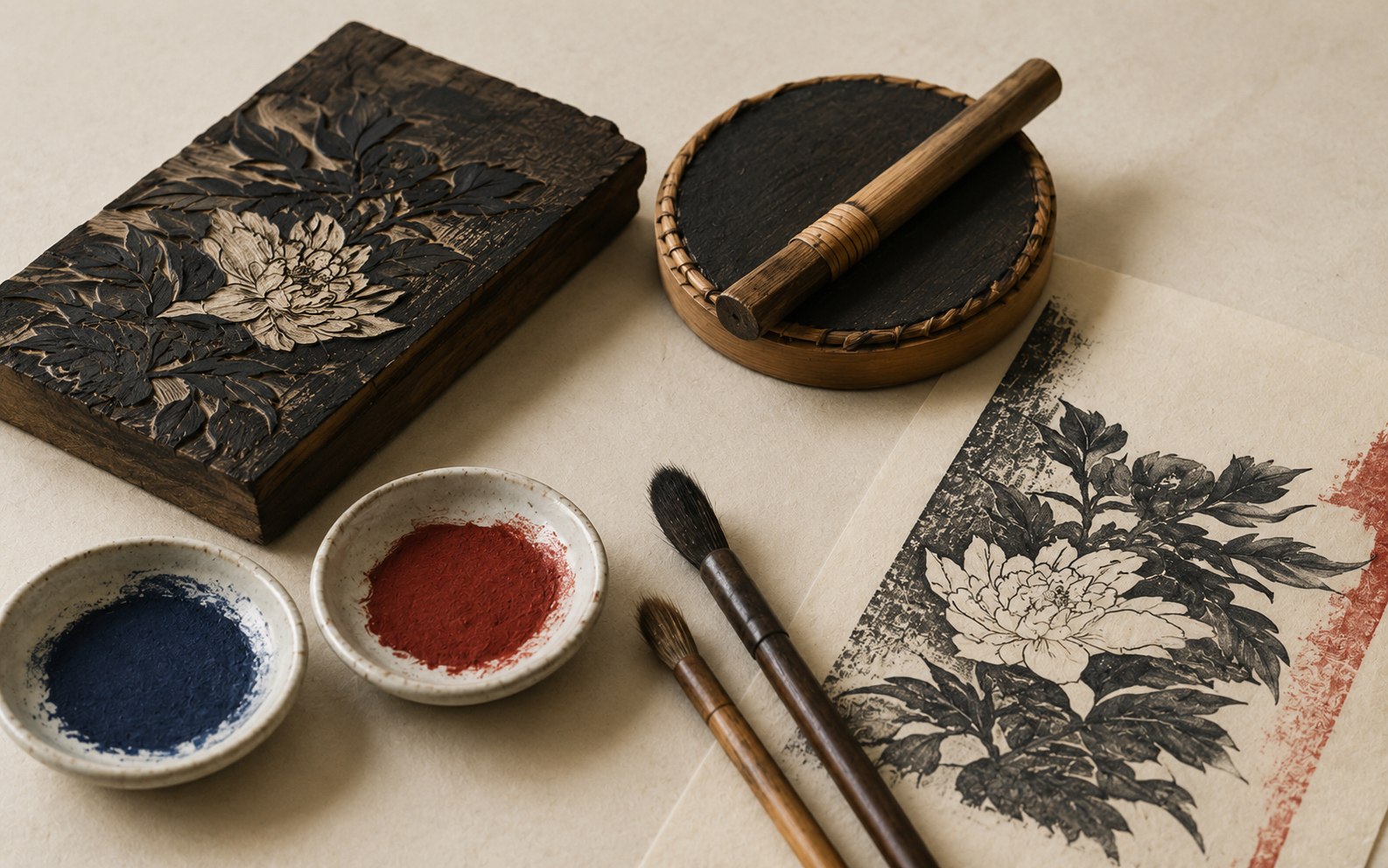
Ukiyo-e (浮世絵): How to Read the Writing on a Print
By K. YamaUpdated:Every ukiyo-e print is full of writing: signature, title, publisher's mark, censor's seal. How to read them, and the brush behind the floating world.
Continue reading → -
Yūgen (幽玄): Meaning, Ink, and How to Write It
By K. YamaUpdated:Yūgen, 幽玄, is the beauty of depth that is suggested, not shown. What its two dark kanji mean, how ink tones express it, and how to brush the word.
Continue reading → -
Zen Garden (枯山水) and Zen Calligraphy: Stone and Ink
By K. YamaUpdated:Zen rock gardens and Zen calligraphy grew up in the same temples. How karesansui works, the scrolls and ensō that hang beside it, and how to write 枯山水.
Continue reading → -
Ikigai (生き甲斐) in Kanji: Real Meaning and How to Write It
By K. YamaUpdated:Ikigai is written 生き甲斐, and its last two kanji were borrowed for their sound. What the word really means, and how to write it well with a brush.
Continue reading → -
Mono no Aware (物の哀れ): Meaning, Kana & How to Write It
By K. YamaUpdated:Mono no aware is the bittersweet feeling of things passing. What its characters say, why the old kana spelling matters, and how calligraphy makes the idea visible.
Continue reading → -
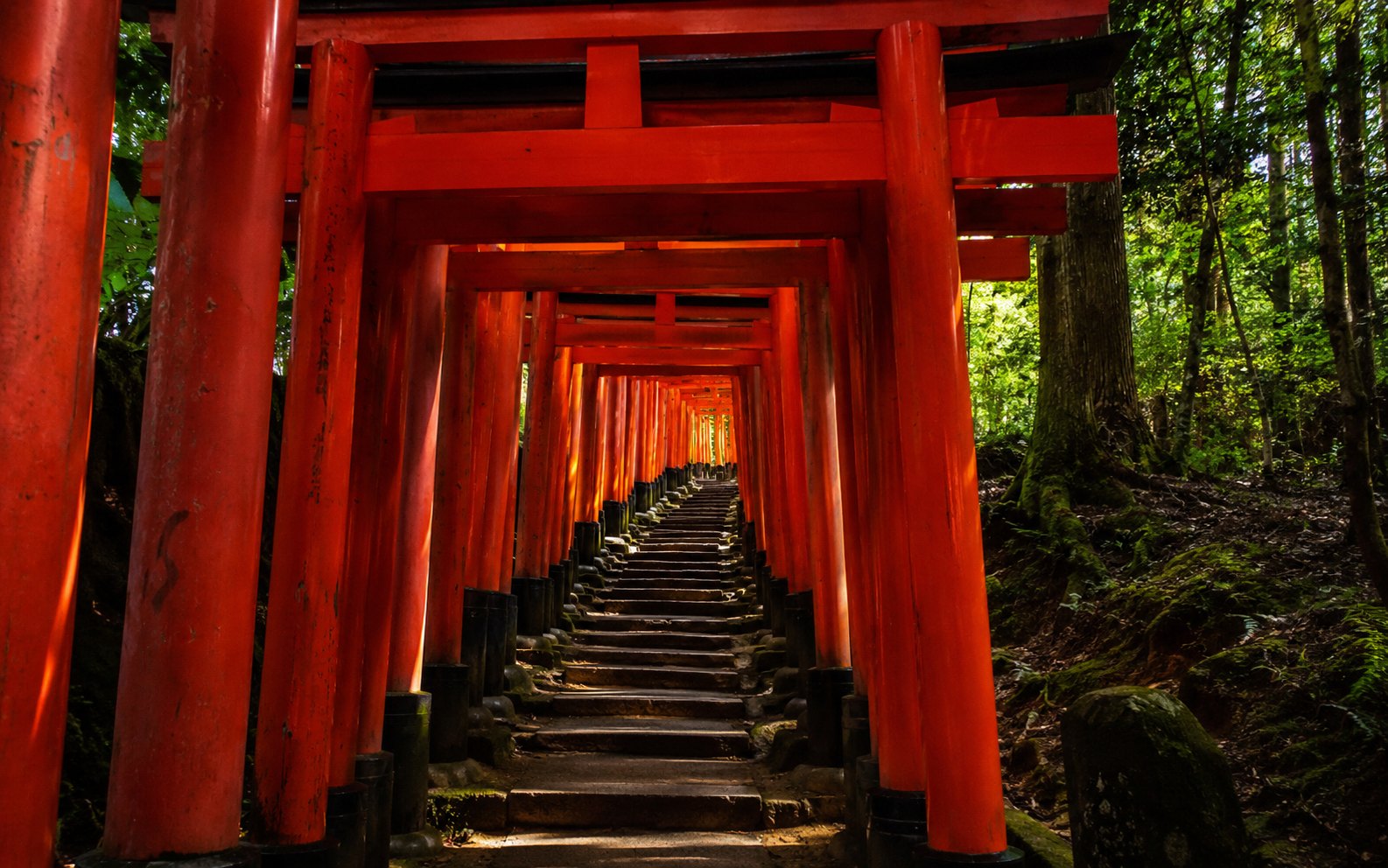
Shinto (神道) and the Brush: Goshuin, Ema & Shrine Writing
By K. YamaUpdated:A shrine is where most Japanese meet the brush. How to read a goshuin, what to write on an ema, and the Shinto ideas behind the ink.
Continue reading → -
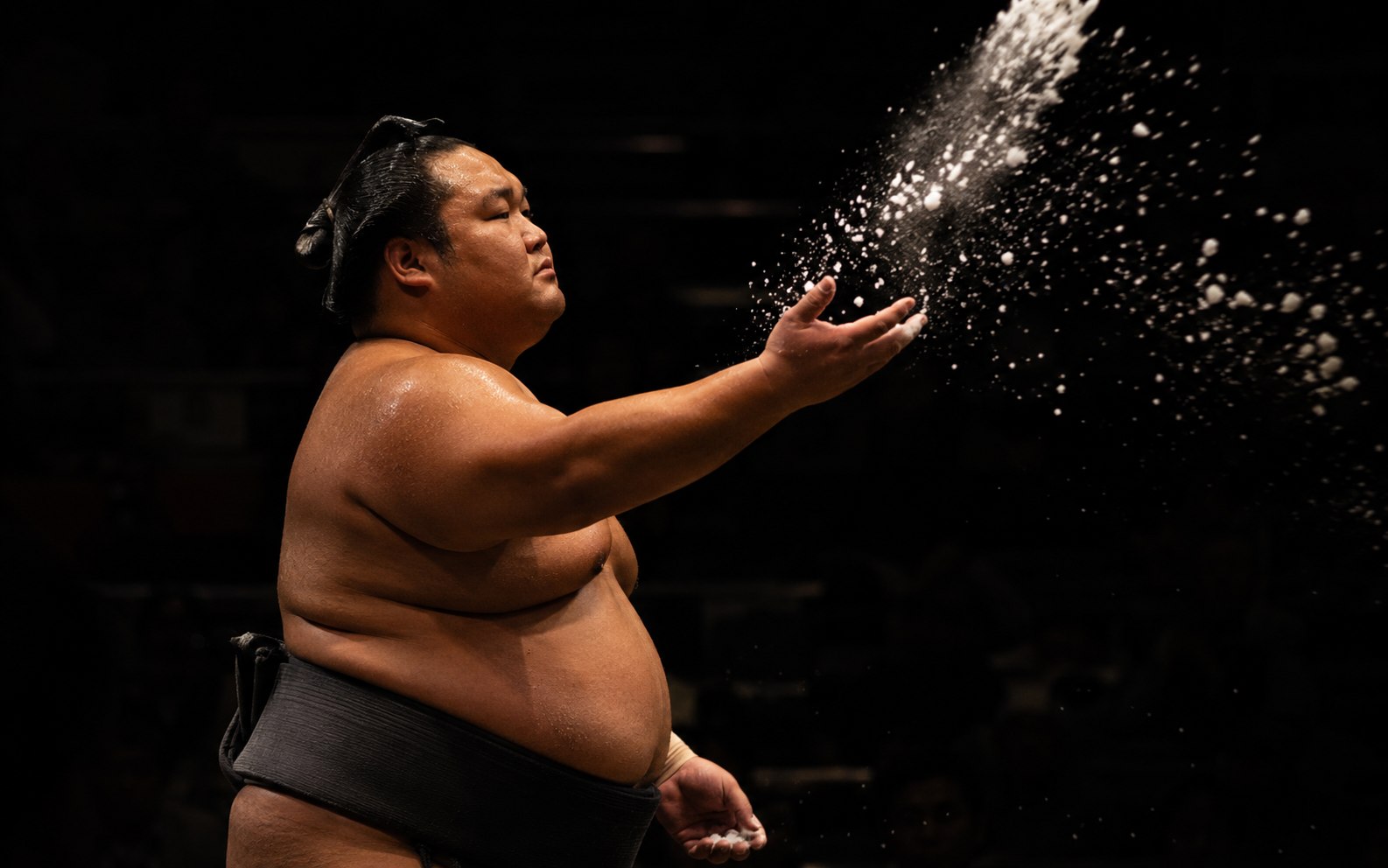
Sumo (相撲) and Sumō-ji: The Calligraphy of the Ring
By K. YamaUpdated:Sumo's ranking sheet is brushed by a referee in sumō-ji, a packed, ink-heavy hand that wishes for a full house. How to read it, and the Shinto ritual behind the sport.
Continue reading →