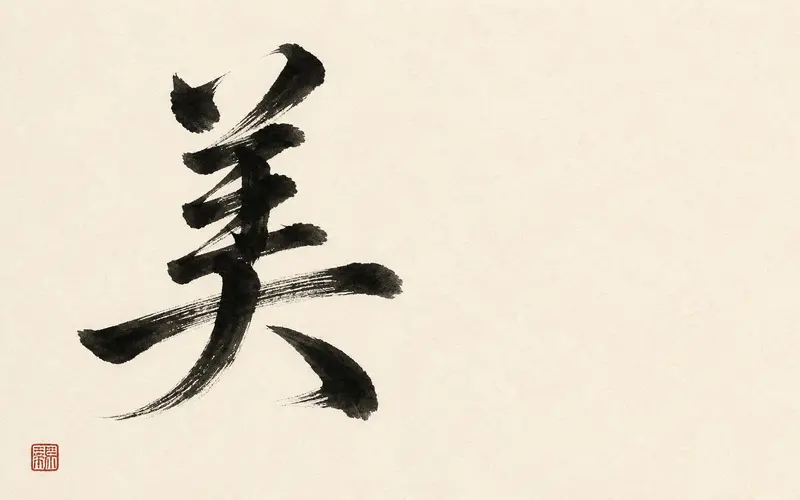
Kanji Meanings
Beauty Kanji (美): The 'Big Sheep' Character, Explained
The kanji 美 (beauty) is built from 'big' and 'sheep' — and grew into the root of art, aesthetics, even 'delicious.' Its history and how to write it.
46 articles with this tag.
The kanji 美 (beauty) is built from 'big' and 'sheep' — and grew into the root of art, aesthetics, even 'delicious.' Its history and how to write it.
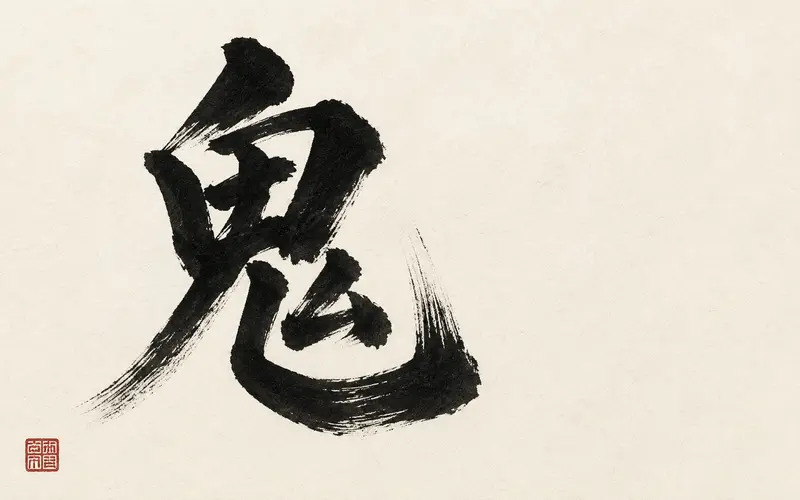
鬼 (oni) means demon — but oni guard rooftops as well as haunt tales, and the character once meant 'ghost.' Its double life, and how to write it.
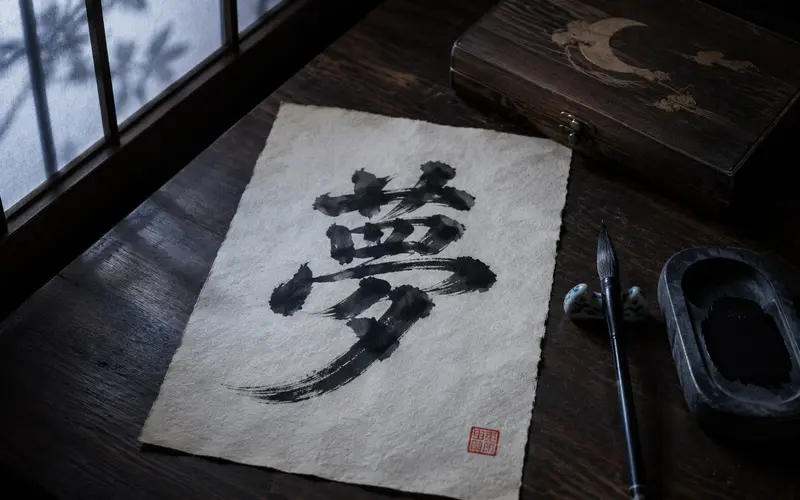
The kanji for dream (夢) holds two meanings English splits apart: the dream you sleep through and the one you chase. Its origin and how to write it.
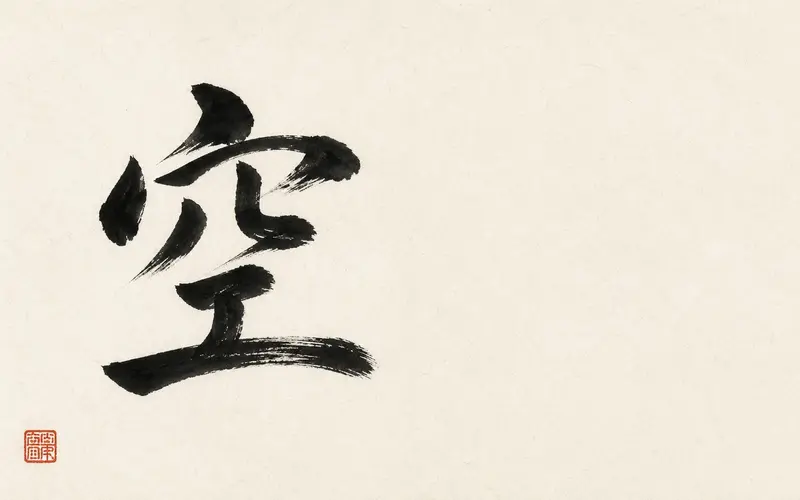
空 means both 'sky' and 'emptiness,' and in Zen it carries the Heart Sutra's śūnyatā. How one character holds the heavens and the void, and how to write it.
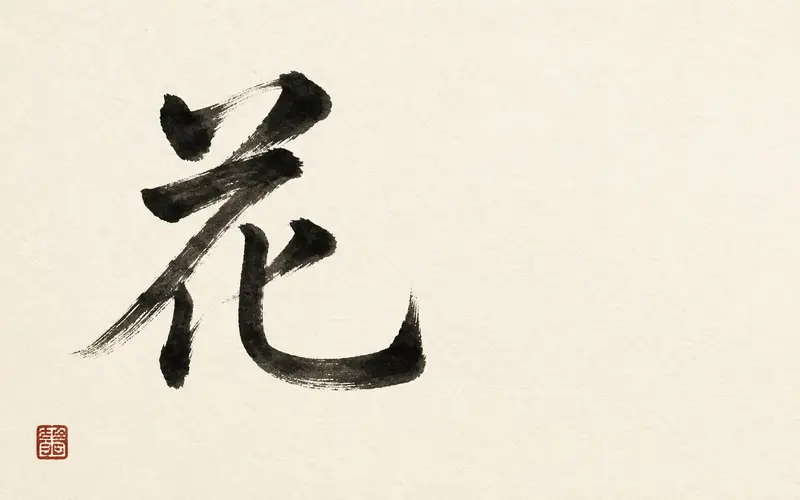
花 (hana) means flower — a kanji with 'change' hidden inside it, and the character behind hanami and ikebana. Meaning, readings, and how to write it.
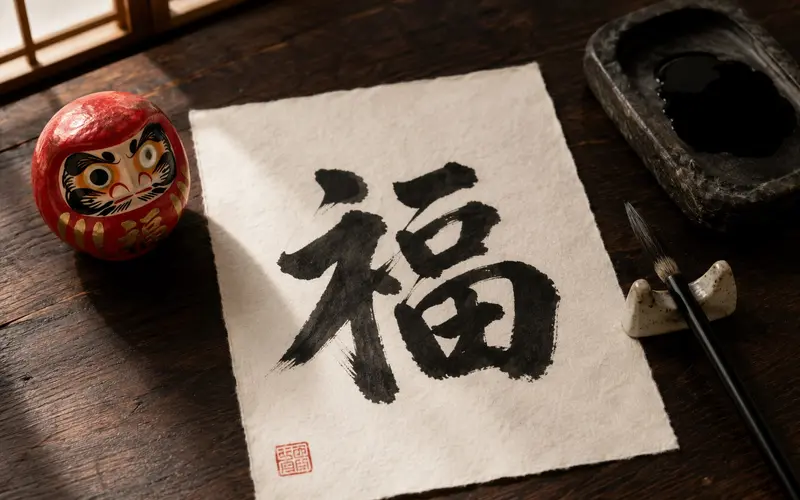
The kanji 福 (fuku) is the luck character Japan hangs everywhere at New Year. Where it comes from, what it promises, and how to write it well.
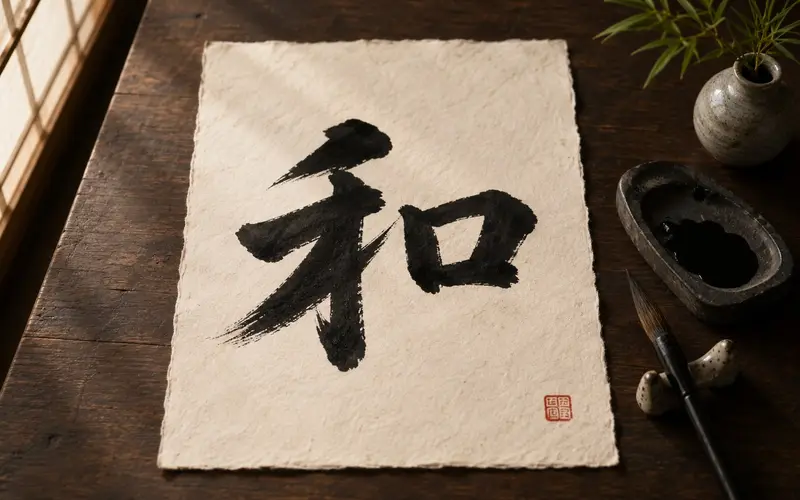
The kanji 和 means harmony — and doubles as the name for Japan itself. Why one character carries both, and how to write it with the balance it preaches.
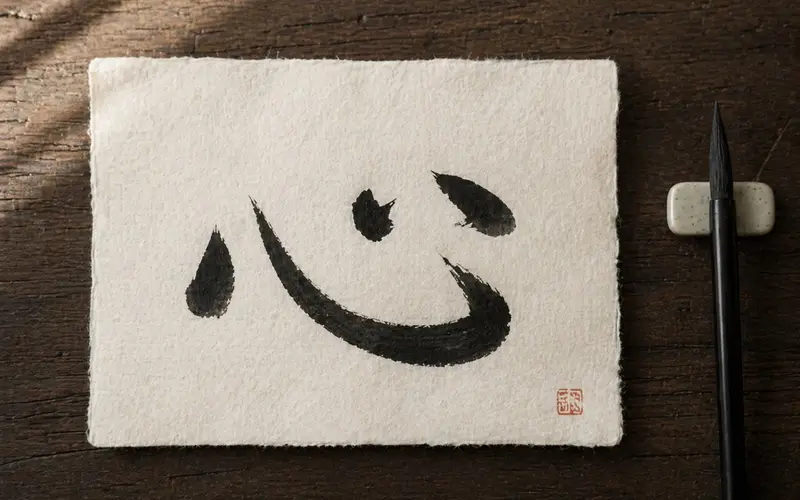
Heart kanji (心, kokoro) means heart, mind, spirit, and sincerity at once. A Japanese calligrapher on what it really means and why 4 strokes are the hardest in shodō.
Love kanji (愛) doesn't mean what English 'love' means — it runs steadier and deeper. The real meaning, the heart hidden mid-character, and how to write it.
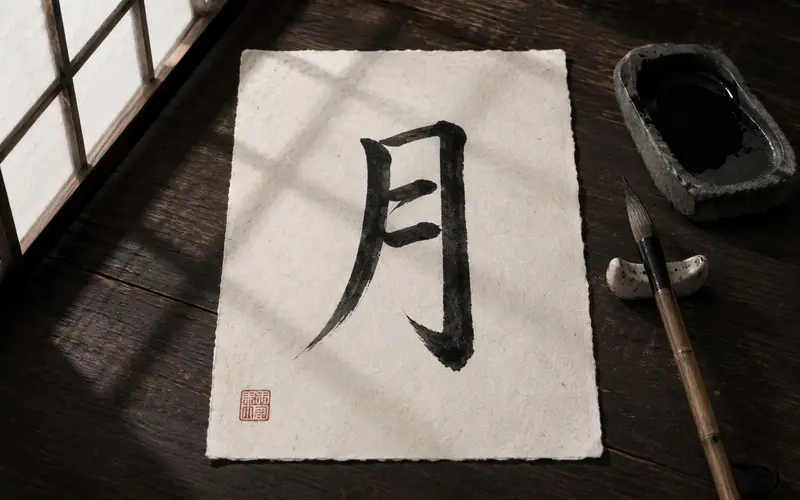
The kanji 月 means both moon and month, and the link between them is older than calendars. Meaning, origin, and how to write its hooked strokes.
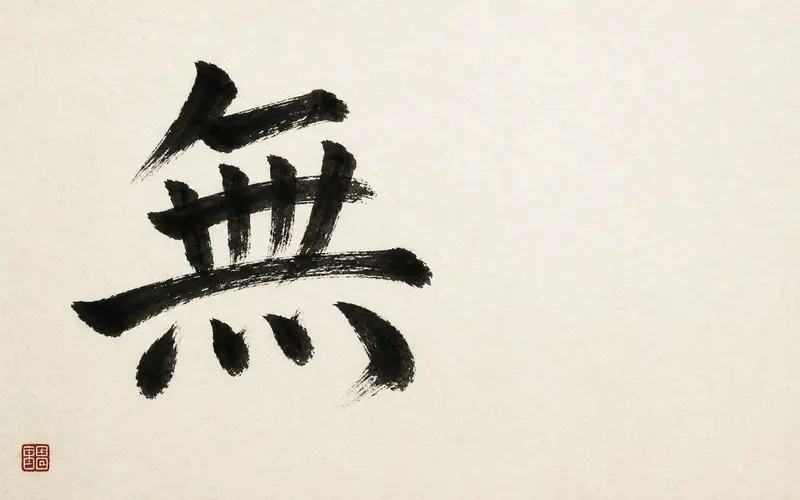
無 (mu) means nothing — yet it began as a dancer, and became Zen's most famous kōan. The strangest origin story in the kanji, and how to write it.
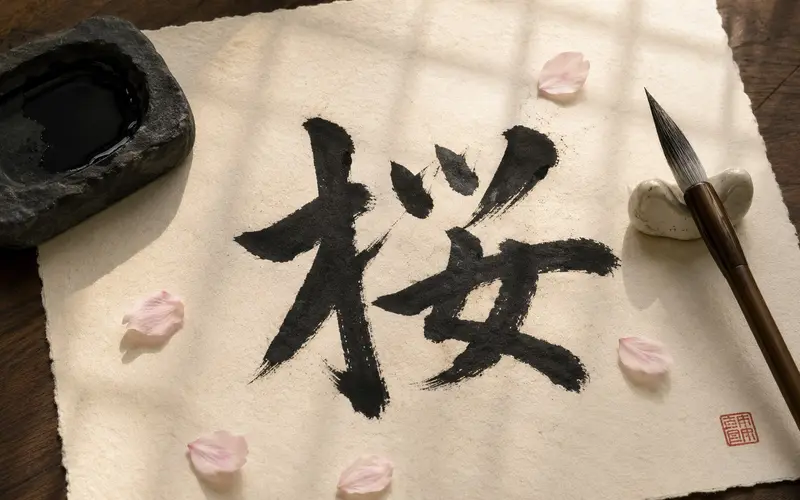
Sakura kanji (桜) is one of the most loved characters in Japanese. A Japanese calligrapher on what it really means, its etymology, and how to write the 10 strokes.